About This Lesson
The types of grazing systems are methods used by livestock farmers to control how animals feed on pasture. Cattle, sheep, goats and other grazing animals need enough pasture for growth, maintenance and production. The way animals are allowed to use the available land can affect the condition of the pasture, the amount of feed obtained and the cost of keeping the animals.
A farmer may allow animals to remain on one pasture for a long period or move them between different sections. In some situations, pasture is divided into smaller areas, while in others, grass is cut and carried to animals kept in a housing area. The choice depends on land size, livestock, pasture, climate, labour and available facilities.
Learning Objectives On Types of Grazing Systems
By the end of this lesson, you should be able to:
- Explain the meaning of a grazing system.
- Identify the major types of grazing systems.
- Explain the advantages and disadvantages of each system.
- Distinguish between continuous, rotational, strip, zero and deferred grazing.
- State factors to consider when choosing a grazing system.
- Explain the effects of poor grazing management.
What Is a Grazing System?
A grazing system is a method of managing livestock and pasture by controlling where, when and for how long animals feed on available vegetation.
The purpose is not simply to give animals access to grass. The farmer also needs to prevent excessive grazing and allow pasture to remain productive. If animals repeatedly feed on the same plants before they have recovered, the quality and quantity of pasture may decline.
Different systems provide different levels of control. Some are simple and require little equipment, while others involve paddocks, temporary fencing, planned movement of animals or the cutting and carrying of feed.
Types of Grazing Systems
The major grazing systems include continuous grazing, rotational grazing, strip grazing, zero grazing and deferred grazing.
1. Continuous Grazing
Continuous grazing is a system in which livestock remain on the same pasture for a long period, often throughout a grazing season. The animals have regular access to the entire grazing area rather than being moved between paddocks according to a fixed rotation.
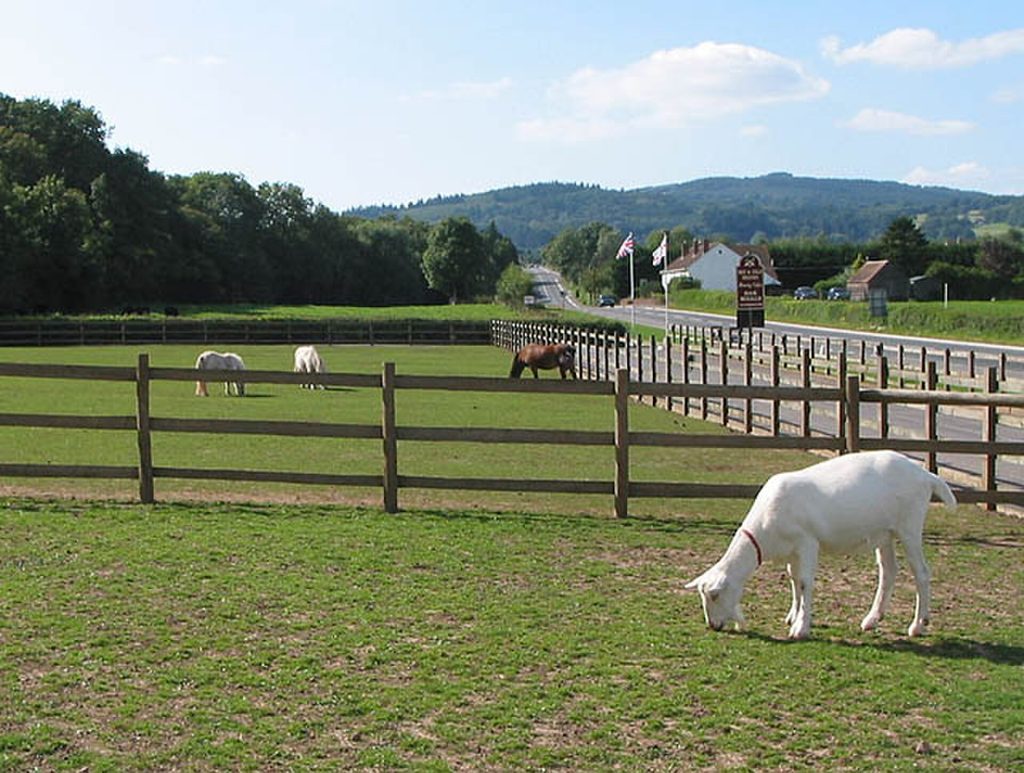
This system is relatively simple, especially where there is a large area of natural or established pasture. However, the condition of the land depends greatly on stocking level and how heavily the animals use the available vegetation.
Advantages of Continuous Grazing
- Simple to establish and manage.
- Requires less labour than systems involving frequent animal movement.
- Requires fewer internal fences.
- Animals have regular access to pasture.
- Can be suitable for large areas of natural grassland.
Disadvantages of Continuous Grazing
- Heavy grazing can cause overgrazing.
- Animals may repeatedly feed on preferred plants.
- Some areas may be heavily grazed while others are less used.
- Pasture may have insufficient time to recover.
- Poor management can contribute to soil erosion and pasture degradation.
2. Rotational Grazing
Rotational grazing involves dividing pasture into two or more sections, commonly called paddocks. Livestock graze one section while the others are left to recover. After a planned period, the animals are moved to another paddock.
The length of grazing and rest periods depends on pasture growth, weather, soil conditions and the number of animals. A well-planned rotation can make better use of available vegetation and reduce repeated grazing of the same plants.
Advantages of Rotational Grazing
- Gives grazed pasture time to recover.
- Helps reduce overgrazing.
- Provides better control over animal movement.
- Can improve the use of available pasture.
- Helps maintain pasture condition when properly managed.
- Can reduce excessive pressure on particular areas of land.
Disadvantages of Rotational Grazing
- Requires more planning.
- Fencing may be needed to create paddocks.
- More labour may be required to move animals.
- Water may need to be provided in different sections.
- Establishing the system can involve additional costs.
3. Strip Grazing
Strip grazing is a controlled grazing method in which animals are given access to a limited strip of pasture at a time. Temporary fencing may be used to restrict the animals to the selected area.
After the available grass in one strip has been used, the animals are moved forward to another section. The remaining pasture is left for later use and recovery.
Advantages of Strip Grazing
- Gives the farmer greater control over pasture use.
- Helps reduce unnecessary trampling.
- Makes it easier to control how much pasture animals have access to at one time.
- Can improve the use of available grass.
- Allows unused sections to remain undisturbed until needed.
Disadvantages of Strip Grazing
- Requires regular supervision.
- Temporary fencing may be needed.
- Animals have to be moved frequently.
- Labour requirements can be higher.
- Poor planning can make the system difficult to manage.
4. Zero Grazing
Zero grazing is a system in which livestock are kept in a housing or confined area instead of being allowed to move around a pasture to obtain their feed. The farmer cuts grass or provides other suitable feeds and carries them to the animals.
This method can be useful where grazing land is limited. It also gives the farmer close control over feeding, although it requires regular work to obtain, transport and provide feed.
Advantages of Zero Grazing
- Suitable where available grazing land is limited.
- Allows the farmer to control the amount of feed given to animals.
- Makes collection of manure easier.
- Reduces direct damage to pasture from grazing animals.
- Makes it easier to monitor individual animals.
- Can be used where livestock housing is available.
Disadvantages of Zero Grazing
- Cutting and carrying feed requires considerable labour.
- A reliable supply of suitable feed is necessary.
- Housing must be kept clean and well maintained.
- Feed costs may be high when sufficient forage is not available.
- Poor hygiene can create animal health problems.
- Animals need regular attention from the farmer.
5. Deferred Grazing
Deferred grazing involves keeping livestock away from a selected pasture area for a period so that the vegetation can grow before the area is opened for grazing.
A farmer may reserve part of the pasture for later use when feed becomes less available. The exact timing depends on the growth of the pasture and the farming conditions.
Advantages of Deferred Grazing
- Gives pasture time to grow before grazing.
- Provides a reserve of pasture for later use.
- Helps protect some pasture from early grazing.
- Can be useful when pasture availability changes during the year.
- Supports better planning of pasture use.
Disadvantages of Deferred Grazing
- Requires careful planning.
- Part of the available land cannot be used immediately.
- Poor timing can reduce the amount of useful feed obtained.
- Requires enough pasture to reserve an area for later grazing.
- Animals may face feed shortages if the reserved pasture is poorly managed.
Comparison of the Main Types of Grazing Systems
| Grazing System | Description |
|---|---|
| Continuous grazing | Animals remain on the same pasture for a long period. |
| Rotational grazing | Animals are moved between pasture sections while other sections rest. |
| Strip grazing | Animals receive access to a small section of pasture at a time. |
| Zero grazing | Feed is cut and carried to animals kept in a confined area. |
| Deferred grazing | A pasture area is reserved for grazing at a later time. |
Importance of Good Grazing Management
Good grazing management helps maintain a balance between livestock needs and pasture condition. Animals need enough feed, but pasture also needs time to recover after heavy use.
Poor management can cause animals to repeatedly graze the same plants, leaving less desirable vegetation behind. As the vegetation becomes thinner, the soil may become exposed to rain and wind. Good management therefore involves considering the number of animals, pasture growth, grazing period and available land.
It can also help farmers make better use of seasonal pasture. When pasture growth changes during the year, farmers can adjust where and when animals graze or reserve some areas for periods when feed is less available.
Factors to Consider When Choosing a Grazing System
Type of Livestock
Cattle, sheep and goats have different feeding habits and may use pasture differently. The system should match the type and number of animals being kept.
Size of the Farm
The amount of available land is an important factor. A small farm may favour controlled systems or zero grazing, while a large pasture may make continuous or rotational grazing more practical.
Pasture Availability
The amount, quality and growth rate of available pasture should be considered. A system that places too much pressure on limited vegetation can lead to pasture deterioration.
Cost
Some systems require fencing, water facilities, housing and additional labour. Farmers need to consider both the initial cost and the cost of daily management.
Climate and Season
Rainfall and temperature affect the rate at which pasture grows. A system that works well during a period of abundant rainfall may need adjustment during a dry period.
Water Supply
Livestock need regular access to clean water. Water points should therefore be considered when planning the grazing arrangement.
Number of Animals
The number of animals should be appropriate for the available pasture. Keeping too many animals on a small area can quickly reduce the amount of available vegetation.
Effects of Poor Grazing Management
Overgrazing
Overgrazing occurs when animals consume pasture faster than the vegetation can recover. Continuous heavy grazing can reduce plant growth and leave the land with less useful vegetation.
Soil Erosion
When vegetation cover is reduced, the soil becomes more exposed. Water and wind can then remove the topsoil.
Pasture Degradation
Repeated heavy grazing can reduce the quality of pasture. Useful grasses may decline while less desirable plants become more common.
Competition for Feed
When too many animals depend on limited pasture, there may not be enough feed for all of them. This can affect animal growth and production.
Parasites and Disease
Repeated use of the same grazing areas can contribute to the build-up of some parasites and disease-causing organisms. Proper animal health management and pasture planning are therefore important.
Advantages of Proper Grazing Systems
When a grazing system is properly selected and managed, it can help farmers:
- Provide livestock with suitable pasture.
- Make better use of available land.
- Reduce unnecessary pasture damage.
- Control animal movement.
- Reduce the risk of overgrazing.
- Maintain pasture for future use.
- Reduce dependence on purchased feed where sufficient pasture is available.
Summary On the Types of Grazing Systems
A grazing system is a method used to manage livestock and pasture by controlling where and when animals feed. The major types include continuous grazing, rotational grazing, strip grazing, zero grazing and deferred grazing.
Continuous grazing is simple but can cause overgrazing if the pasture is heavily used. Rotational grazing divides pasture into sections and allows grazed areas to rest. Strip grazing provides animals with a limited section of pasture at a time. Zero grazing involves bringing feed to confined animals, while deferred grazing keeps an area of pasture unused until it is needed later.
The most suitable system depends on livestock type, farm size, pasture availability, climate, water supply, labour and cost. Good grazing management helps farmers provide feed while protecting the condition and productivity of the pasture.
Revision Questions
- What is a grazing system?
- Mention five types of grazing systems.
- State four advantages of rotational grazing.
- Explain the meaning of zero grazing.
- Mention four factors that should be considered when choosing a grazing system.
Frequently Asked Questions Types of Grazing Systems
1. What are the main types of grazing systems?
The main types are continuous grazing, rotational grazing, strip grazing, zero grazing and deferred grazing.
2. What is continuous grazing?
Continuous grazing is a system in which animals remain on the same pasture for a long period and have regular access to the grazing area.
3. What is rotational grazing?
Rotational grazing involves dividing pasture into sections and moving animals between them so that grazed sections have time to recover.
4. What is zero grazing?
Zero grazing is a system in which livestock are kept in a confined area and feed is cut and carried to them instead of allowing them to graze freely.
5. What is the main danger of poor grazing management?
One major danger is overgrazing, which can reduce pasture quality and leave the soil exposed to erosion.