About This Lesson
20 common weeds: Weeds are common on farms, gardens, roadsides, lawns, and other places where plants are grown. Some weeds grow very quickly and can spread over a large area if they are not controlled early. They may compete with crops for water, nutrients, sunlight, and space, making it harder for crops to grow well.
This lesson explains 20 common weeds and their botanical names, their plant families, where they are commonly found, and some of the problems they cause. It also explains how weeds can be identified and controlled. The information is useful for Agriculture Science students, farmers, and anyone who wants to understand common weeds found in different parts of the world.
Learning Objectives
At the end of this lesson, you should be able to:
- Explain what a weed is.
- Identify 20 common weeds by their common names.
- Give the botanical names of common weeds.
- Identify the plant families of some common weeds.
- Describe some problems caused by weeds.
- Explain basic methods of weed control.
- Understand why botanical names are useful in plant identification.
What Is a Weed?
A weed is a plant that grows where it is not wanted or where it interferes with human activities. On a crop farm, for example, a plant growing among maize, cassava, rice, vegetables, or other crops may be regarded as a weed if it competes with the crops.
Weeds can differ greatly in appearance. Some are grasses with narrow leaves, while others have broad leaves, creeping stems, or underground parts that help them survive. Some weeds produce large numbers of seeds, while others spread through stems, roots, rhizomes, or other plant parts.
The effect of a weed also depends on where it grows. A plant that is useful as animal feed or ground cover in one place may become a weed when it grows among crops. This is why the term “weed” is mainly based on the situation in which the plant is growing.
20 Common Weeds and Their Botanical Names
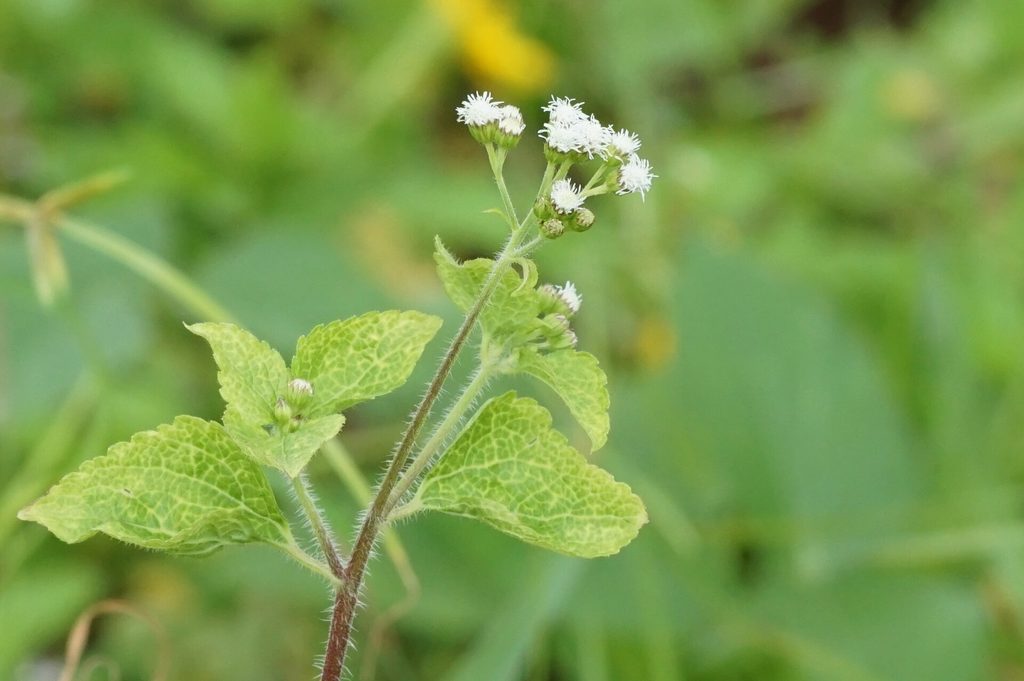
1. Goat Weed — Ageratum conyzoides
Goat weed is a small broadleaf weed commonly found on farms, gardens, roadsides and other disturbed areas. It grows quickly in favourable conditions and can form groups of plants in open soil.
Family: Asteraceae
Where found: Crop farms, gardens and roadsides
Why it is a problem: It competes with crops for water, nutrients, sunlight and space.
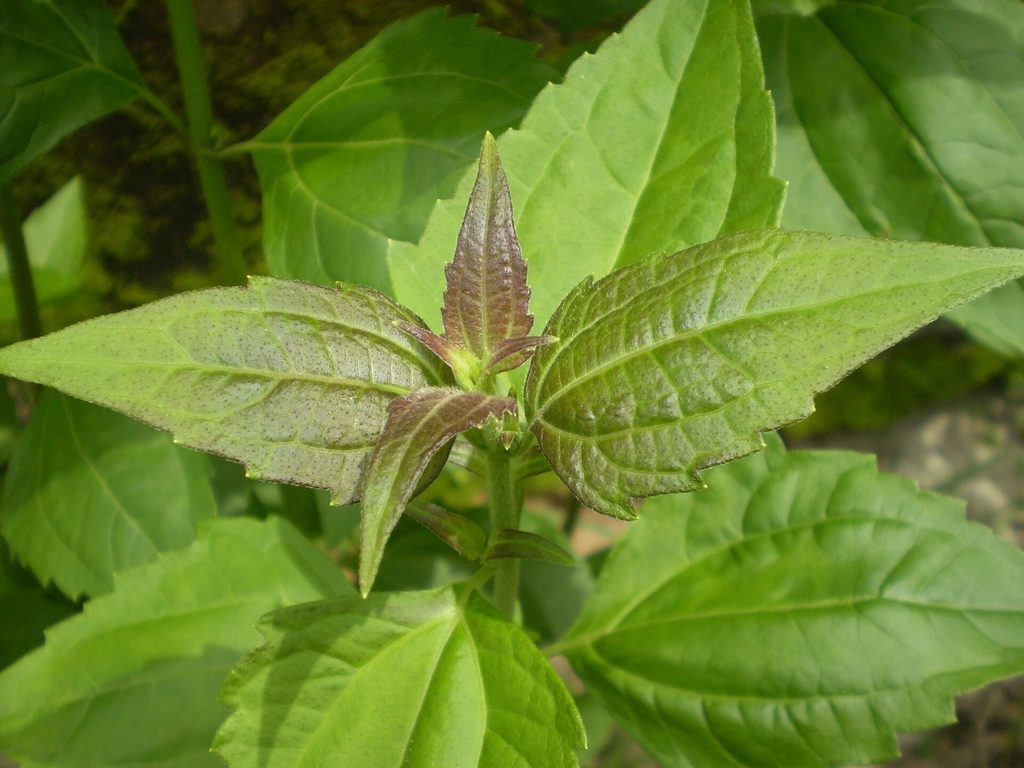
2. Siam Weed — Chromolaena odorata
Siam weed is a fast-growing shrub that is common in many tropical regions. It can quickly occupy abandoned farmland, roadsides and open areas.
Family: Asteraceae
Where found: Farmland, bush areas, roadsides and abandoned land
Why it is a problem: It grows into dense bushes and competes with other plants for light, water and space.
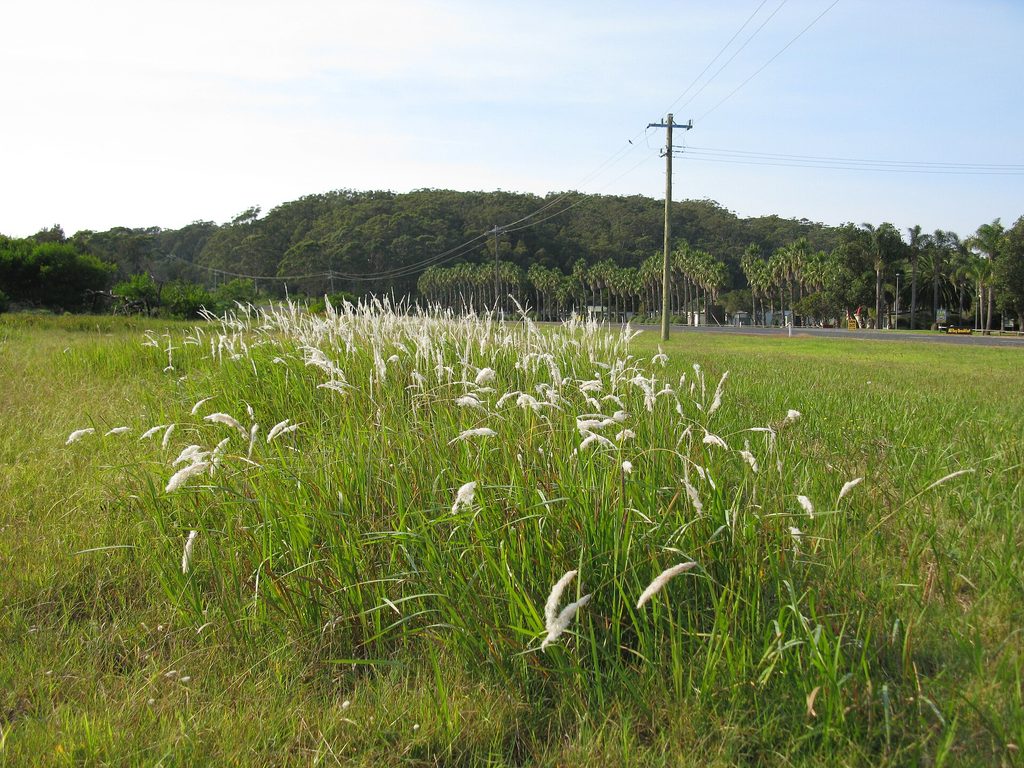
3. Spear Grass — Imperata cylindrica
Spear grass is a grass with narrow, sharp-edged leaves. It is one of the weeds that can be difficult to control because it spreads through underground rhizomes as well as seeds.
Family: Poaceae
Where found: Farmland, grassland and disturbed areas
Why it is a problem: Its underground rhizomes allow it to grow again after the leaves are removed.
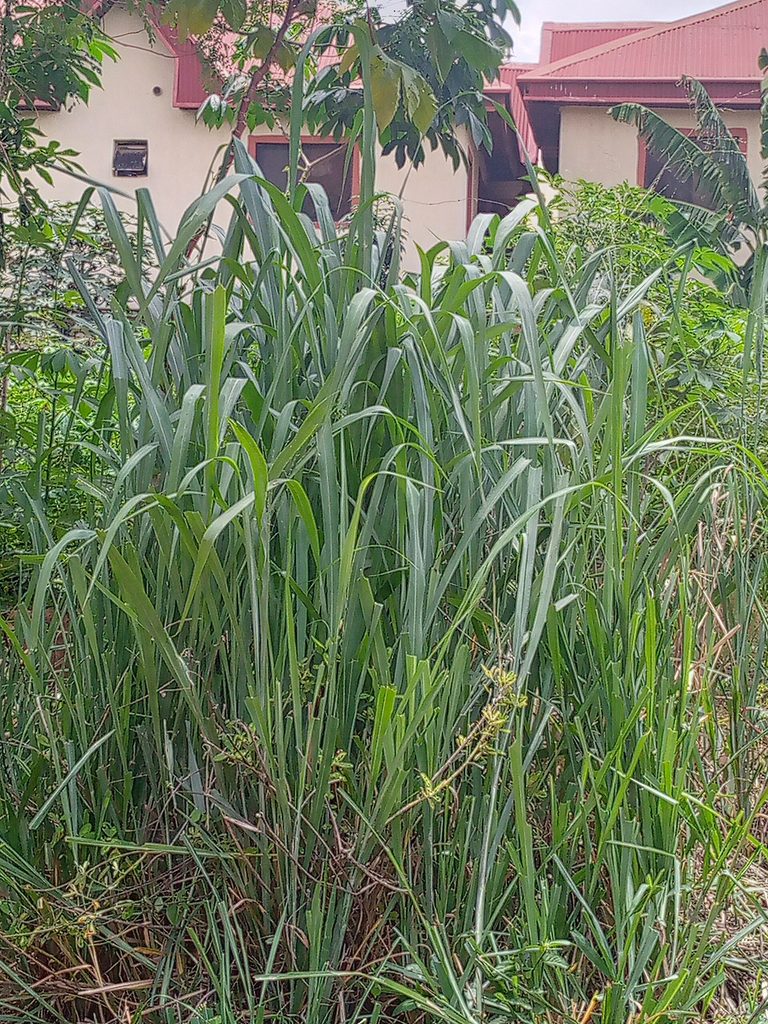
4. Elephant Grass — Cenchrus purpureus
Elephant grass is a tall grass that grows strongly in warm and humid areas. It can be useful as livestock feed when deliberately cultivated, but it becomes a weed when it grows where it is not wanted.
Family: Poaceae
Where found: Farmland, roadsides, grassland and open areas
Why it is a problem: It grows rapidly and can form dense stands that compete with other plants.
5. Pigweed — Amaranthus spinosus
Pigweed is a broadleaf weed that is commonly found in cultivated fields and disturbed soil. It can grow quickly and produce many seeds.
Family: Amaranthaceae
Where found: Crop farms, gardens and open disturbed soil
Why it is a problem: It competes strongly with crops and can become difficult to manage when it produces large numbers of seeds.
6. Tridax — Tridax procumbens
Tridax is a low-growing weed with small flower heads that resemble daisies. It can spread across open ground and is commonly seen in farms and roadsides.
Family: Asteraceae
Where found: Farms, roadsides, gardens and open areas
Why it is a problem: It competes with crops and can spread through its seeds.
7. Bermuda Grass — Cynodon dactylon
Bermuda grass is a creeping grass that spreads along the ground and can also spread through underground rhizomes. It can quickly cover open soil when conditions are favourable.
Family: Poaceae
Where found: Farms, lawns, gardens, roadsides and open land
Why it is a problem: Its creeping growth makes it difficult to remove completely and it competes with crops for space and nutrients.
8. Nut Grass — Cyperus rotundus
Nut grass is a persistent sedge that produces underground tubers. These underground parts help the plant survive even when its leaves are removed.
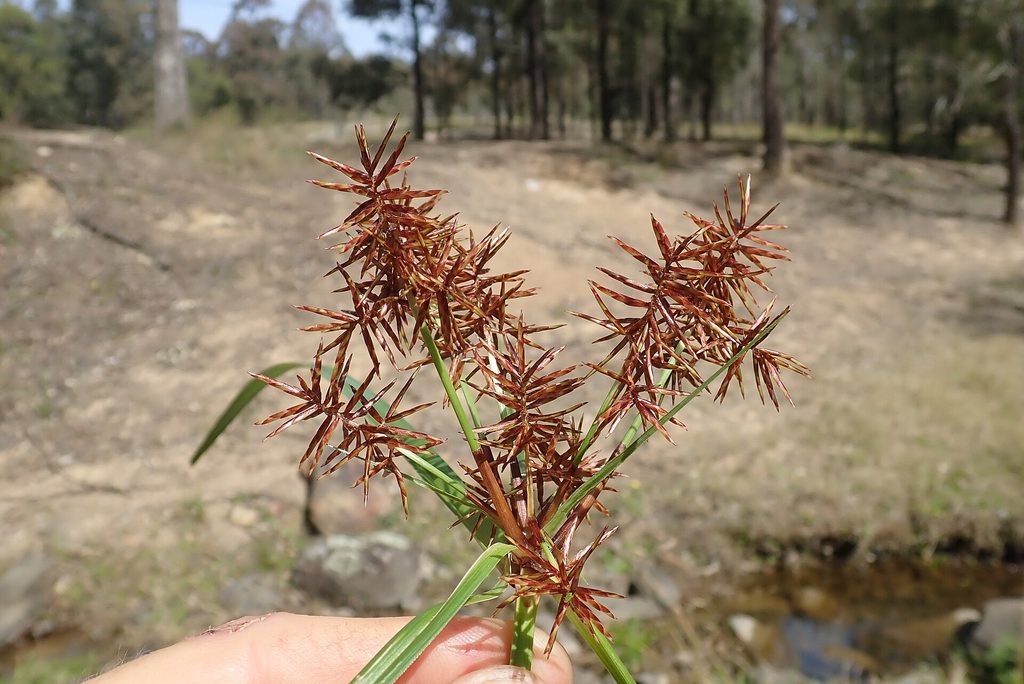
Family: Cyperaceae
Where found: Crop fields, gardens and disturbed soil
Why it is a problem: The underground tubers make it difficult to control completely with simple cutting or hand removal.
9. Black Jack — Bidens pilosa
Black jack is a common broadleaf weed found in farms, gardens and disturbed areas. Its seeds have small structures that can attach to clothing or animal fur and help the plant spread.
Family: Asteraceae
Where found: Farms, roadsides, gardens and open land
Why it is a problem: It produces seeds easily and can spread quickly around cultivated areas.
10. Sensitive Plant — Mimosa pudica
The sensitive plant is easily recognized because its leaves fold or close when touched. It is a low-growing plant that can spread across open ground.
Family: Fabaceae
Where found: Pastures, roadsides, farms and open areas in tropical regions
Why it is a problem: It can form dense patches and interfere with the growth and management of other plants.
11. Asthma Weed — Euphorbia hirta
Asthma weed is a small herb with hairy stems and leaves. It often appears in places where the soil has been disturbed.
Family: Euphorbiaceae
Where found: Roadsides, gardens, farms and disturbed soil
Why it is a problem: It grows quickly in open areas and can compete with crops for available resources.
12. Morning Glory — Ipomoea spp.
Morning glory refers to several related climbing or creeping plants. Some species can grow rapidly and spread over other plants.
Family: Convolvulaceae
Where found: Farms, gardens, roadsides and open areas
Why it is a problem: Its climbing growth can cover crops and reduce the amount of sunlight reaching them.
13. Witchweed — Striga hermonthica
Witchweed is an important agricultural weed because it is parasitic. It attaches to the roots of host plants and obtains water and nutrients from them.
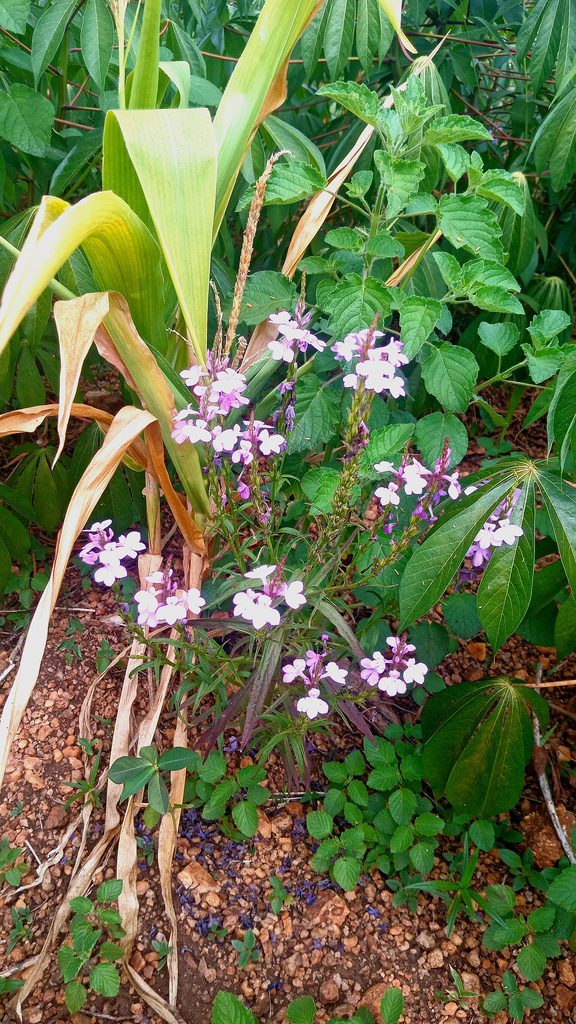
Family: Orobanchaceae
Where found: Mainly in areas where susceptible cereal crops are grown
Why it is a problem: It can seriously weaken crops such as maize and sorghum and reduce their yield.
14. Guinea Grass — Megathyrsus maximus
Guinea grass is a tall tropical grass that can be useful as livestock feed when deliberately managed. However, it can act as a weed when it grows among crops or in places where it is not wanted.
Family: Poaceae
Where found: Farmland, grassland, roadsides and open areas
Why it is a problem: Its vigorous growth allows it to compete with crops for water, nutrients, light and space.
15. Wild Lettuce — Lactuca taraxacifolia
Wild lettuce is a leafy plant that can grow in cultivated and disturbed areas. It is found mainly in tropical African environments.
Family: Asteraceae
Where found: Farms, roadsides and disturbed areas
Why it is a problem: When it grows in large numbers, it competes with crops and makes farm management more difficult.
16. Benghal Dayflower — Commelina benghalensis
Benghal dayflower is a creeping weed that is common in warm regions. It can spread through both seeds and vegetative parts of the plant.
Family: Commelinaceae
Where found: Crop farms, gardens and moist disturbed areas
Why it is a problem: Its ability to spread in more than one way can make control difficult once it becomes established.
17. Purslane — Portulaca oleracea
Purslane is a low-growing plant with thick, fleshy leaves and stems. It can survive periods of dry weather better than many other small weeds.
Family: Portulacaceae
Where found: Gardens, crop fields, roadsides and disturbed soil
Why it is a problem: It spreads along the soil surface and can produce many seeds, allowing it to return after removal.
18. Water Hyacinth — Eichhornia crassipes
Water hyacinth is a floating aquatic plant that grows on rivers, lakes, ponds and other bodies of freshwater. It can multiply rapidly when conditions are suitable.
Family: Pontederiaceae
Where found: Freshwater bodies
Why it is a problem: Large amounts can cover the surface of water, interfere with fishing and water transport, and block waterways.
19. Mexican Poppy — Argemone mexicana
Mexican poppy is a prickly plant that can grow in cultivated fields, roadsides and other disturbed places. Its leaves and stems have sharp structures that make handling the plant unpleasant.
Family: Papaveraceae
Where found: Farms, roadsides and disturbed land
Why it is a problem: It competes with crops and can spread through its seeds.
20. Parthenium Weed — Parthenium hysterophorus
Parthenium weed is a fast-growing plant that has spread across many tropical and subtropical regions. It can establish itself quickly in disturbed land, roadsides, pastures and agricultural areas.
Family: Asteraceae
Where found: Roadsides, farmland, pastures and disturbed land
Why it is a problem: It can spread rapidly, compete with useful plants and become difficult to manage once established.
How to Identify These 20 Common Weeds
You do not always need to know the name of a weed before examining its features. Several parts of the plant can help with identification.
Leaves: Look at the size, shape, arrangement and surface of the leaves. Some weeds have narrow grass-like leaves while others have broad leaves.
Stem: Check whether the stem is soft, hard, hairy, smooth, upright, creeping or climbing.
Flowers: The colour, size and arrangement of flowers can help distinguish similar-looking plants.
Roots and underground parts: Some weeds have fibrous roots, while others have taproots, rhizomes, bulbs or tubers.
Growth habit: Observe whether the plant grows upright, spreads along the ground, climbs other plants or forms a dense group.
Seeds: Seed size, shape and the way seeds are carried by wind, water, animals or human activities can also help in identification.
When identifying a weed, it is better to look at several features together instead of relying on only one feature.
Why Botanical Names Are Important
Common names are useful, but they can sometimes cause confusion because the same name may be used for different plants in different regions. Botanical names provide a more standard way of identifying a plant.
For example, spear grass is known botanically as Imperata cylindrica. A student, farmer or researcher using this botanical name can more clearly identify the plant even when local common names differ.
Botanical names are also useful when studying plant families, comparing information from different countries, or reading agricultural and scientific materials.
When writing a botanical name, the genus starts with a capital letter and the species name starts with a small letter. Both names are normally written in italics, for example, Ageratum conyzoides.
General Methods of Weed Control
Weed control means preventing weeds from growing, reducing their spread, or removing them from places where they are not wanted. Farmers often combine different methods because one method may not work equally well against every type of weed.
Mechanical control involves physically removing weeds by hand, hoeing, slashing, mowing or other suitable methods. It is useful for small farms and gardens, although repeated work may be needed for weeds that grow again from underground parts.
Cultural control involves using good farming practices to reduce weed growth. Examples include proper spacing, crop rotation, timely planting, mulching and maintaining a healthy crop stand.
Chemical control involves the use of herbicides to control weeds. The correct product must be selected for the crop and weed involved, and it should always be used according to its label and appropriate safety guidance.
Biological control uses living organisms or natural enemies to reduce particular weeds. It is usually designed for specific weed problems and requires careful management.
Preventive control aims to stop weeds from entering or spreading on a farm. Using clean planting materials, cleaning farm equipment and preventing weeds from producing seeds can help reduce their spread.
Why Early Weed Control Matters
Weeds are usually easier to manage when they are identified and controlled before they become well established. Young weeds have had less time to develop strong roots, underground structures or large numbers of seeds.
Allowing weeds to grow until they produce seeds can increase the weed population in the soil. Perennial weeds can be even more difficult because some can survive through underground plant parts.
For this reason, regular observation of the farm is important. Farmers should look for new weed growth and choose a suitable control method before the weeds become a major problem.
Revision Questions on 20 Common Weeds
- What is a weed?
- Write the botanical names of any five weeds from this lesson.
- State three ways weeds can affect crop production.
- Why is Striga hermonthica considered a parasitic weed?
- Give four methods of weed control.
- What is the botanical name of spear grass?
- Name the family to which goat weed belongs.
- Why can nut grass be difficult to control?
- State two features that can be used to identify a weed.
- Explain why botanical names are useful in plant identification.
Frequently Asked Questions
What is the botanical name of goat weed?
The botanical name of goat weed is Ageratum conyzoides. It belongs to the family Asteraceae.
What is the botanical name of spear grass?
Spear grass is botanically known as Imperata cylindrica. It belongs to the grass family, Poaceae.
Which weed is a parasite on cereal crops?
Witchweed, Striga hermonthica, is a parasitic weed that can attack cereal crops such as maize and sorghum.
What are the main methods of weed control?
Common methods include mechanical, cultural, chemical, biological and preventive control.
Why should students learn the botanical names of weeds?
Botanical names make plant identification clearer and reduce confusion caused by different common names used in different regions.
Summary on 20 Common Weeds
Weeds are plants that grow where they are not wanted and can interfere with crop production. They may compete with crops for water, nutrients, sunlight and space, while some can also harbour pests or interfere with farm operations.
The 20 Common weeds include goat weed, Siam weed, spear grass, elephant grass, pigweed, nut grass, Bermuda grass, black jack and witchweed. They do not all grow or spread in the same way, so identifying the weed correctly is an important first step in choosing a suitable control method.
Learning both the common and botanical names of weeds helps students understand plant identification and Agriculture Science more clearly. Farmers can reduce weed problems through timely farm management and by combining suitable weed-control methods.
Related Articles
Nice information
Thank you glad to help