Understanding the effects of bush burning is important because it can affect farmland, soil, vegetation, wildlife and the surrounding environment. Bush burning is the practice of setting fire to grasses, shrubs, leaves and other vegetation, usually to clear land for farming, hunting or other activities. In many Nigerian farming communities, it is commonly carried out during the dry season between November and March, when vegetation becomes dry and catches fire easily.
Although burning can clear land quickly, its effects can continue long after the fire has gone out. Repeated or uncontrolled burning can reduce soil quality, destroy habitats, pollute the air and increase erosion. Understanding both short-term benefits and long-term disadvantages helps farmers and communities make better decisions about land preparation and environmental protection.
About This Lesson
This lesson explains the meaning and causes of bush burning and discusses the major effects of bush burning on the environment, soil, wildlife and human health. It also examines its advantages and disadvantages, ways to prevent uncontrolled burning, and safer alternatives that farmers can use when preparing land.
Learning Objectives
At the end of this lesson, you should be able to:
- Define bush burning.
- State the causes of bush burning.
- Explain the major effects of bush burning.
- Distinguish between controlled and uncontrolled burning.
- State some short-term advantages of bush burning.
- Explain the disadvantages of bush burning.
- Describe ways of preventing uncontrolled bush fires.
- Mention safer alternatives to bush burning.
- Explain how bush burning affects soil fertility and wildlife.
What Is Bush Burning?
Bush burning is the deliberate or accidental setting of fire to vegetation such as grasses, shrubs, weeds, leaves and small trees. It may be carried out to clear farmland, control vegetation, hunt animals or remove dry plant materials.
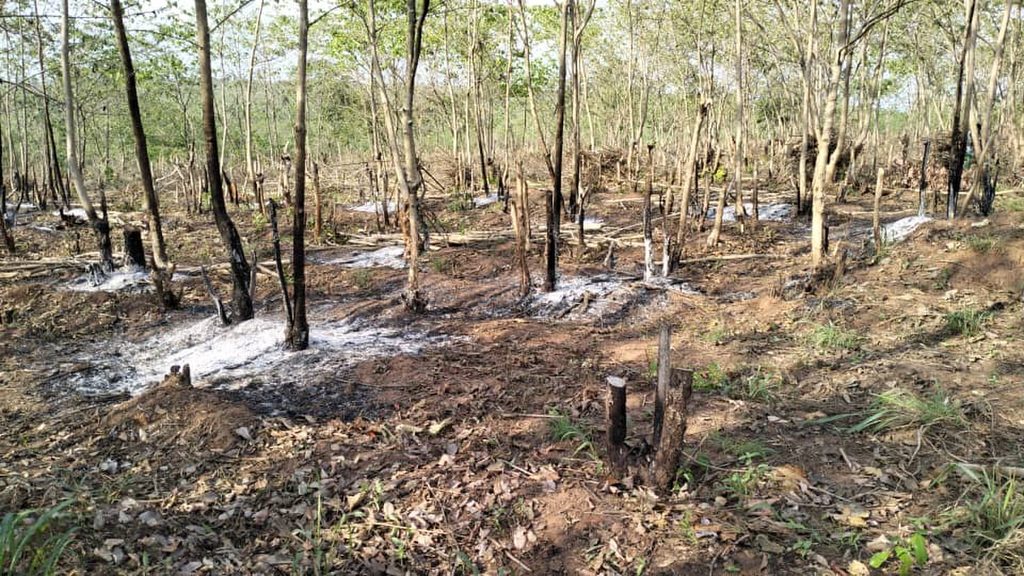
For example, a farmer may burn a field after the dry season to remove unwanted vegetation before planting. Although the fire may clear the field quickly, it can spread beyond the intended area if it is not properly controlled.
Bush burning can therefore be intentional or accidental. The result depends on factors such as the size of the area burned, the intensity of the fire, weather conditions, how often the area is burned and how well the fire is controlled.
Causes of Bush Burning
People practice bush burning for different reasons. Some of these reasons are connected with farming, while others are related to hunting, waste disposal or carelessness.
Land clearing: Some farmers burn grasses, weeds and other vegetation because they consider fire a quick way to clear land before planting.
Hunting: In some rural areas, fire may be used to drive animals out of vegetation. However, this can cause the fire to spread and destroy habitats.
Removal of dry vegetation: Some people burn dry grasses and plant materials because they want to make an area look clean or remove vegetation that they consider unwanted.
Carelessness: Bush fires can start when people leave fires unattended or dispose of burning materials carelessly. During dry periods, a small fire can spread rapidly through dry vegetation.
Traditional practices: In some communities, bush burning has been practiced for many years and may continue because it has become part of traditional land-clearing practices.
Negligence during farming activities: Fire used for cooking, burning farm waste or other activities can spread to nearby vegetation when proper precautions are not taken.
Types of Bush Burning
Bush burning can generally be considered as controlled burning or uncontrolled burning, depending on whether the fire is deliberately managed and kept within a planned area.
Controlled Burning
Controlled burning is the deliberate use of fire under planned conditions and with measures to prevent it from spreading beyond the intended area. In agricultural or land-management situations, the timing, weather conditions, area to be burned and fire-control measures are considered beforehand.
Where burning is permitted and considered necessary, precautions such as creating firebreaks and having people monitor the fire can reduce the chance of it spreading. However, controlled burning still has environmental effects, so it should not automatically be regarded as harmless.
Uncontrolled Burning
Uncontrolled burning occurs when a fire spreads beyond the area intended by the person who started it or when vegetation catches fire without proper management.
It can destroy crops, trees, grassland, wildlife habitats and property. Strong winds and very dry vegetation can make an uncontrolled fire difficult to stop.
Uncontrolled bush burning is particularly dangerous because the person who started the fire may lose control of it and cause damage to areas that were never intended to be burned.
Effects of Bush Burning on the Environment
The environment can be affected in several ways when vegetation is repeatedly or intensely burned.
Destruction of vegetation: Fire can destroy grasses, shrubs, young trees and other plants. Some plants may grow again, but repeated or severe burning can prevent certain vegetation from recovering properly.
Loss of wildlife habitat: Vegetation provides shelter and food for many animals. When it is burned, animals may lose their habitats and sources of food.
Loss of biodiversity: Repeated burning can reduce the variety of plants and animals found in an area, especially when species cannot recover or move back after repeated fires.
Air pollution: Smoke from burning vegetation releases gases and tiny particles into the air. Heavy smoke can reduce air quality and cause discomfort for people living or working nearby.
Soil degradation: Intense fires can damage organic matter near the soil surface and may reduce the soil’s ability to support healthy plant growth over time.
Increased erosion: When vegetation and protective plant materials are removed by fire, the soil may become more exposed to rainfall and wind. This can increase the risk of erosion, especially on exposed or sloping land.
These are some of the major effects of bush burning that make repeated and uncontrolled burning a serious environmental concern.
Effects of Bush Burning on Soil
Bush burning can have both short-term and long-term effects on soil.
The ash left after burning may contain some mineral nutrients that can become available to plants for a short period. This is one reason why some farmers may notice good crop growth shortly after burning.
However, the benefits do not mean that repeated burning improves soil fertility permanently. Intense heat can damage organic matter and soil organisms close to the surface. Some nutrients can also be lost during burning or later carried away by water.
When vegetation is repeatedly removed, less plant material is returned to the soil. The soil may therefore have less organic matter and become more exposed to erosion.
For this reason, the long-term effect of repeated burning can be a decline in soil quality, especially where there is little effort to replace organic matter or protect the soil.
Effects of Bush Burning on Wildlife
Wildlife depends on vegetation for food, shelter, nesting sites and protection. When vegetation is burned, these resources can be destroyed.
Small animals, insects and other organisms may be killed directly by fire, while animals that survive may be forced to move to other areas. Repeated burning can also change the type of vegetation that grows in an area, affecting the animals that depend on those plants.
For example, birds may lose nesting areas when shrubs and trees are burned, while small mammals may lose shelter and feeding areas.
Therefore, one of the important effects of bush burning is the disturbance of habitats and the natural balance of ecosystems.
Effects of Bush Burning on Human Health
Smoke from bush fires can affect people who live, work or travel near the burning area. Breathing smoky air can cause coughing, eye irritation and breathing discomfort, particularly for people who are sensitive to smoke.
Large fires can also reduce visibility on roads and create dangerous conditions for drivers and other road users.
Uncontrolled fires may also spread to houses, farms, electricity infrastructure or other property, creating additional risks for communities.
Advantages of Bush Burning
Bush burning can provide some short-term benefits, which helps explain why some farmers and communities continue to use it.
Quick land clearing: Fire can remove a large amount of dry vegetation within a relatively short period.
Low direct financial cost: A farmer may spend less money on manual labour when fire is used to clear vegetation.
Temporary release of some nutrients: Ash can contain mineral nutrients that may become available to crops for a short period after burning.
Reduction of some weeds and pests: Fire can destroy some unwanted plants, insects and other organisms present in the area.
Easy access to the land: After vegetation has been removed, the land may initially be easier to access for some farm activities.
However, these benefits should be considered alongside the possible environmental damage. A short-term benefit does not mean that repeated bush burning is suitable for maintaining soil and environmental health.
Disadvantages of Bush Burning
The disadvantages of bush burning can be more serious when burning is frequent, intense or uncontrolled.
Loss of vegetation: Useful plants, young trees and natural vegetation may be destroyed.
Reduction in soil quality: Repeated intense burning can reduce organic matter and damage organisms that contribute to healthy soil.
Soil erosion: Removal of vegetation leaves the soil more exposed to rainfall and wind.
Air pollution: Smoke and gases released during burning reduce air quality and may affect people nearby.
Destruction of wildlife: Animals can lose food, shelter and breeding areas, while some organisms may be killed by fire.
Risk of uncontrolled fires: Fire can spread beyond farmland and damage forests, crops, buildings and other property.
Contribution to greenhouse gas emissions: Burning vegetation releases carbon dioxide and other gases into the atmosphere.
Loss of biodiversity: Repeated burning can change habitats and reduce the number of plant and animal species that can survive in an area.
Health problems: Smoke can cause coughing, eye irritation and breathing discomfort.
The effects of bush burning therefore extend beyond the farm where the fire starts. They can affect surrounding land, communities, wildlife and future agricultural production.
Prevention of Bush Burning
Reducing unnecessary bush burning requires cooperation between farmers, communities and relevant authorities.
Education and awareness: Farmers and community members should be taught about the effects of repeated and uncontrolled burning and the available alternatives.
Use of safer land-clearing methods: Farmers can use manual clearing, mulching or suitable machinery instead of burning vegetation.
Proper fire control: Where burning is permitted and considered necessary, appropriate precautions should be taken to prevent the fire from spreading.
Creation of firebreaks: Clear strips of land can sometimes be used to slow or stop the movement of fire between areas.
Avoiding careless use of fire: Fires should not be left unattended, especially during periods when vegetation is very dry and weather conditions favour rapid fire spread.
Community monitoring: Communities can work together to identify and respond to fires early, particularly during dry periods.
Enforcement of regulations: Where laws or local rules restrict certain forms of burning, proper enforcement can help reduce dangerous and uncontrolled fires.
Alternative Methods to Bush Burning
Farmers do not always need to use fire to prepare land. Several alternatives can help clear vegetation while protecting the soil.
Manual clearing: Cutlasses, hoes and other farm tools can be used to remove weeds and unwanted vegetation. This method requires more labour but does not involve burning the soil surface.
Mulching: Cut grasses and plant residues can be left on the soil surface as mulch instead of being burned. As the materials decompose, they can contribute organic matter and help conserve soil moisture.
Mechanical clearing: Tractors, slashers and other suitable machines can be used to clear vegetation on farms where the equipment is available and affordable.
Cover crops: Suitable cover crops can help suppress weeds and protect the soil surface from direct exposure.
Careful weed management: Farmers can use appropriate weed-control methods based on the crop, weed problem and local conditions. Where herbicides are used, they should be applied according to their label directions and with appropriate precautions.
Choosing an alternative depends on the size of the farm, available labour, equipment, cost, type of vegetation and farming system.
Bush Burning and Sustainable Farming
Sustainable farming requires farmers to think about both present production and the future condition of the land. A method that saves time during one farming season may become a problem if it repeatedly damages the soil or increases erosion.
Protecting vegetation where possible, returning organic materials to the soil and reducing unnecessary burning can help maintain productive farmland.
Farmers should therefore consider the long-term condition of their land rather than focusing only on how quickly vegetation can be removed.
Summary
Bush burning is the use of fire to remove vegetation such as grasses, shrubs and other plant materials. It may be carried out for land clearing, hunting or other purposes. Controlled burning is managed within a planned area, while uncontrolled burning can spread and cause serious damage.
Bush burning may provide short-term benefits such as quick land clearing and temporary release of some nutrients through ash. However, repeated or intense burning can destroy vegetation, damage soil organic matter, increase erosion, pollute the air, disturb wildlife and contribute to greenhouse gas emissions.
The best approach is to reduce unnecessary burning and use suitable alternatives such as manual clearing, mulching, mechanical clearing and other appropriate weed-management methods. Protecting the soil and vegetation today helps maintain productive farmland for the future.
Revision Questions
- What is bush burning?
- State five causes of bush burning.
- Differentiate between controlled and uncontrolled burning.
- State five effects of bush burning on the environment.
- Explain how bush burning affects soil fertility.
- State four effects of bush burning on wildlife.
- Mention four advantages of bush burning.
- State seven disadvantages of bush burning.
- Mention five ways of preventing uncontrolled bush burning.
- State four alternatives to bush burning.
Frequently Asked Questions
1. What is bush burning?
Bush burning is the act of setting fire to grasses, shrubs, leaves and other vegetation, usually for purposes such as land clearing or hunting.
2. What are the main effects of bush burning?
The major effects include destruction of vegetation, damage to soil, air pollution, destruction of wildlife habitats, increased erosion and the release of greenhouse gases.
3. How does bush burning affect soil fertility?
Burning can release some nutrients through ash for a short period, but repeated or intense burning can damage organic matter and soil organisms and leave the soil more exposed to erosion.
4. Does bush burning contribute to climate change?
Yes. Burning vegetation releases carbon dioxide and other gases into the atmosphere, contributing to greenhouse gas emissions.
5. Why do farmers practice bush burning?
Some farmers use it because it can clear vegetation quickly and requires less direct labour or money than some other land-clearing methods.
6. How does bush burning affect animals?
It can destroy food sources, shelter and breeding areas. Some animals and other organisms may also be killed or forced to move to other areas.
7. Can bush burning cause soil erosion?
Yes. When vegetation and plant residues are removed by fire, the soil can become more exposed to rainfall and wind, increasing the risk of erosion.
8. Is bush burning good for farming?
It may provide some short-term benefits, but repeated or intense burning can damage soil and the surrounding environment. Safer land-management methods are often preferable.
9. What are the disadvantages of bush burning?
Disadvantages include soil degradation, erosion, air pollution, destruction of wildlife habitats, loss of vegetation, health risks and the danger of uncontrolled fires.
10. What are better alternatives to bush burning?
Alternatives include manual clearing, mulching, mechanical clearing, cover crops and other appropriate weed-management methods.
Related articles