Desertification in Nigeria: Causes, Effects and Solutions
Lesson Objectives:
At the end of this lesson, students should be able to:
- Define desertification.
- State causes of desertification in Nigeria.
- List areas most affected by desertification in Nigeria.
- Explain effects of desertification on agriculture and environment.
- Highlight solutions and control measures of desertification.
- Describe government efforts in controlling desertification.
Lesson Note:
Agricultural activities help to increase food production, but practices such as bush burning, overgrazing, tillage, and deforestation have significant effects on the ecological system because they disturb soil structure, reduce vegetation cover, affect water bodies, and threaten wildlife. These actions gradually weaken natural ecosystems, making the environment less productive and more vulnerable to degradation. Understanding these effects is important for promoting sustainable farming and protecting the environment.
What is Desertification?
Desertification is the process of land degradation in dry areas where the land gradually loses its vegetation, soil fertility and ability to support productive activities. It is caused by a combination of natural factors and human activities.
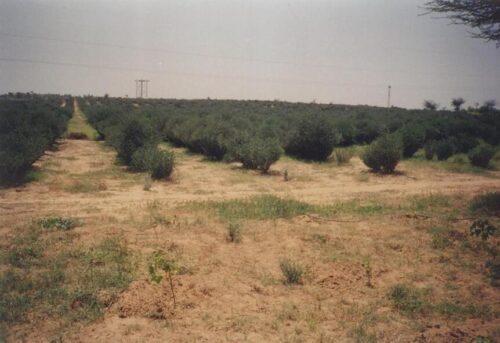
Desertification does not simply mean that the Sahara Desert is physically moving into another area. Rather, it refers to the degradation of land in dry, semi-dry and drought-prone areas until the land becomes less productive.
In Nigeria, the problem is more common in the northern parts of the country, particularly in areas affected by low rainfall, drought, deforestation, overgrazing and poor land-use practices.
Causes of Desertification in Nigeria
1. Deforestation
Deforestation involves the removal of trees and other vegetation without adequate replacement. Trees help to protect the soil from wind and water erosion, provide organic matter and help maintain moisture in the environment. Continuous removal of trees for farming, fuelwood, charcoal production and other purposes can therefore increase land degradation.
2. Overgrazing
Overgrazing occurs when livestock feed on vegetation faster than the plants can regenerate. Too many animals grazing on the same land can remove the protective grass cover and expose the soil to wind and water erosion. Continuous trampling by animals can also compact the soil and reduce its ability to absorb water.
3. Unsustainable Farming Practices
Some farming practices can contribute to desertification when they are used continuously without proper soil management. Examples include continuous cropping, excessive removal of crop residues, bush burning and cultivation of land without adequate soil conservation measures. These practices can reduce soil fertility and leave the soil exposed to erosion.
4. Climate Variability and Drought
Low and irregular rainfall, prolonged dry periods and drought can reduce the amount of water available to plants and soil. When dry conditions continue for a long time, vegetation may die or become sparse, leaving the soil exposed to erosion and further degradation.
5. Population Pressure
A growing population increases the demand for farmland, fuelwood, grazing land, housing and other resources. When these resources are used faster than they can recover, vegetation may be removed and the soil may become degraded.
6. Poor Water Management
Poor management of water resources can contribute to land degradation. Inappropriate irrigation practices may cause problems such as waterlogging or salt accumulation in the soil, while inefficient use of scarce water resources can make it more difficult to maintain vegetation in dry areas.
Effects of Desertification in Nigeria
1. Reduction in Agricultural Yield
Desertification reduces soil fertility and moisture, making it more difficult for crops to grow successfully. As land becomes degraded, farmers may experience lower crop yields.
2. Food Insecurity
A reduction in agricultural production can affect the amount of food available to communities. If degradation continues over a long period, it can contribute to food insecurity and increase dependence on food from other areas.
3. Loss of Vegetation
Desertification causes the gradual loss of grasses, shrubs, trees and other vegetation. This reduces the amount of plant cover available to protect the soil.
4. Loss of Biodiversity
Plants and animals depend on vegetation and healthy habitats for food and shelter. When land becomes degraded, some organisms may lose their habitats and their populations may decline.
5. Soil Erosion
Bare and poorly protected soil is easily carried away by wind and water. This can remove the fertile topsoil needed for plant growth and make the land less productive.
6. Poverty and Migration
Farmers and pastoral communities may lose part of their means of livelihood when land becomes less productive. This can increase poverty and may encourage people to move to other areas in search of better living and working conditions.
7. Competition for Land and Water
As productive land and water resources become limited, competition among farmers, pastoralists and other land users may increase. In some areas, this can contribute to disputes over access to land and water.
8. Dust and Poor Environmental Conditions
Degraded land with little vegetation can produce more dust, especially during periods of strong winds. Dust can reduce visibility and may worsen existing respiratory problems.
Solutions to Desertification in Nigeria
1. Afforestation and Reforestation
Afforestation involves planting trees in areas that were previously without forests, while reforestation involves replacing trees that have been removed. Planting trees helps to protect the soil, provide shade, reduce wind speed and improve the environment.
2. Sustainable Farming Practices
Farmers can reduce land degradation through practices such as crop rotation, cover cropping, mulching, use of organic manure and conservation tillage. These practices help maintain soil fertility and protect the soil from erosion.
3. Controlled Grazing
Livestock should not be allowed to graze continuously on the same piece of land. Controlled or rotational grazing gives pasture enough time to recover and helps prevent the complete removal of vegetation.
4. Soil Conservation
Measures such as planting vegetation cover, constructing appropriate erosion-control structures and reducing unnecessary disturbance of the soil can help protect farmland from degradation.
5. Water Conservation
Farmers in dry areas can conserve water through appropriate irrigation methods, rainwater harvesting, mulching and other water-management practices. Efficient use of water helps crops and vegetation survive during periods of limited rainfall.
6. Environmental Education
Farmers, students and other members of the community should be educated about the causes and effects of desertification. Environmental education can encourage people to protect trees, use land responsibly and adopt better farming practices.
7. Government Policies and Programmes
Government policies can support tree planting, sustainable agriculture, land restoration and proper management of natural resources. Programmes such as the Great Green Wall initiative are aimed at combating land degradation and improving environmental conditions across the Sahel region of Africa.
8. Use of Alternative Sources of Energy
The use of alternative energy sources can reduce excessive dependence on firewood and charcoal. Cleaner energy sources can help reduce pressure on trees and natural vegetation.
Conclusion
Desertification is a serious environmental and agricultural problem in parts of Nigeria, particularly in the dry northern regions. Deforestation, overgrazing, poor farming practices, drought, population pressure and poor management of natural resources can contribute to land degradation.
The problem can be reduced through tree planting, sustainable farming, controlled grazing, soil conservation, proper water management and environmental education. Protecting the land today will help maintain agricultural productivity and natural resources for future generations.
References for Students
- NERDC curriculum materials for Geography and Agricultural Science.
- FAO publications on land degradation and desertification.
- Standard Agricultural Science textbooks for secondary schools.
Frequently Asked Questions
Q1: What is desertification?
Desertification is the degradation of land in dry areas, causing a decline in vegetation, soil quality and the productive capacity of the land.
Q2: What are the major causes of desertification in Nigeria?
Major causes include deforestation, overgrazing, unsustainable farming practices, drought, population pressure and poor management of land and water resources.
Q3: Which part of Nigeria is most affected by desertification?
Desertification is mainly associated with the dry northern parts of Nigeria, particularly areas within the Sahel and Sudan savanna zones.
Q4: What is the difference between deforestation and desertification?
Deforestation is the removal of trees and forest vegetation, while desertification is the wider process of land degradation in dry areas. Deforestation can contribute to desertification.
Q5: How can desertification be controlled?
It can be controlled through afforestation, sustainable farming, controlled grazing, soil conservation, water conservation, environmental education and proper management of natural resources.
Evaluation Questions
- Define desertification.
- Mention four causes of desertification in Nigeria.
- State five effects of desertification.
- Explain three ways of controlling desertification.
- State three agricultural practices that can help prevent land degradation.