Causes of Deforestation: Deforestation is the large-scale removal of trees and other vegetation from a forest area. It can occur when forests are cleared for farming, timber production, mining, road construction, settlement and other human activities. Natural events such as wildfires, prolonged drought and other disasters can also contribute to the loss of forest vegetation.
Forests are important because they provide timber and other resources, protect the soil, support wildlife, help regulate the climate and provide homes and sources of income for many people. For this reason, understanding the causes of deforestation, advantages of deforestation and disadvantages of deforestation is important for students studying Geography, Agricultural Science and environmental topics.
About This Lesson
This lesson explains the meaning of deforestation, the major causes of forest destruction, the possible advantages of clearing forests and the environmental and social disadvantages that can result from uncontrolled deforestation.
Learning Objectives
At the end of this lesson, students should be able to:
- Define deforestation.
- Explain the major causes of deforestation.
- State the advantages of deforestation.
- Explain the disadvantages or effects of deforestation.
- Suggest ways of reducing uncontrolled deforestation.
What is Deforestation?
Deforestation is the continuous or large-scale removal of trees and other forest vegetation without allowing enough time for the forest to regenerate.
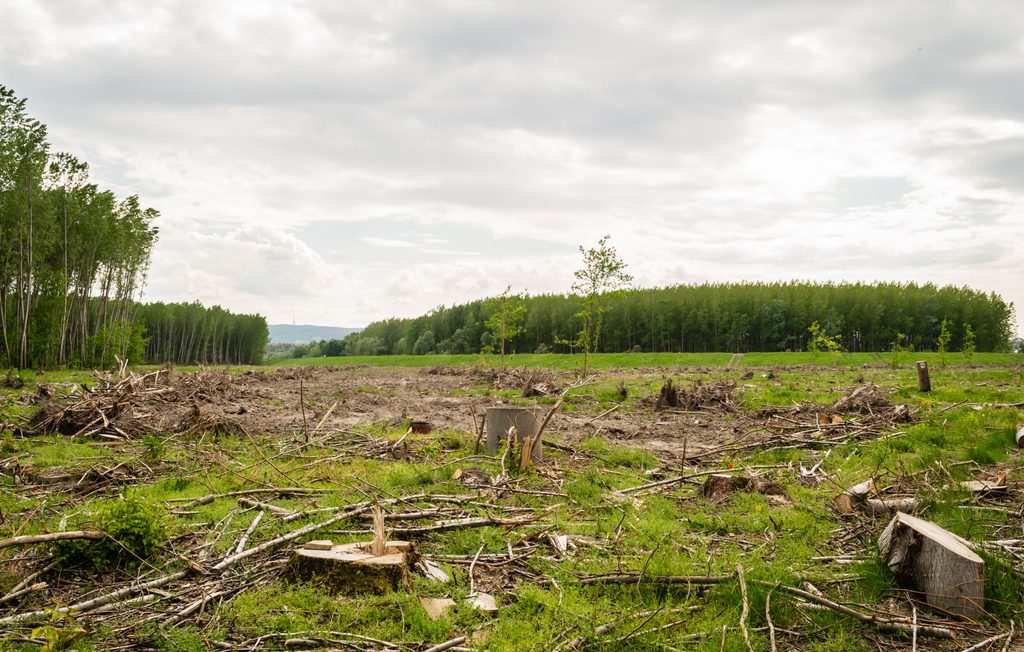
Trees may be removed by cutting, clearing or burning. In many areas, forests are cleared to obtain land for farming, grazing, settlements, roads, industries and mining. Valuable trees such as iroko, obeche and mahogany may also be cut down for timber used in making furniture, doors, building materials and other products.
Deforestation becomes a serious environmental problem when trees are removed faster than they can naturally regenerate or be replaced through planting. When this happens, the land can lose some of its ability to protect the soil, support wildlife and maintain a healthy environment.
Causes of Deforestation
Deforestation can result from both human activities and natural factors. The major causes include the following:
1. Farming Activities
Agricultural activities are one of the major causes of deforestation. Forest land may be cleared to grow crops or provide grazing land for livestock.
Practices such as shifting cultivation and bush fallowing can also contribute to forest loss when the period allowed for the forest to recover becomes too short. When farmers repeatedly clear the same areas without sufficient regeneration, the number of trees and other vegetation gradually decreases.
2. Timber Exploitation
The cutting of trees for timber is another major cause of deforestation. Trees are harvested for furniture, construction, paper production, fuel and other purposes.
Selective removal of valuable tree species from natural forests can change the structure of the forest. When logging is poorly controlled and new trees are not planted or allowed to regenerate, continuous timber exploitation can result in serious forest degradation.
3. Mining and Industrial Development
Mining activities require land to be cleared for excavation, access roads, processing facilities and other structures. During mineral exploration and extraction, trees and other vegetation may be removed.
Industrial development can also lead to forest destruction when land is cleared for factories, storage facilities, roads and other infrastructure.
4. Bush Burning and Forest Fires
Fire can destroy large areas of forest vegetation, particularly during dry periods. Farmers sometimes use fire to clear land, prepare fields or manage vegetation. If the fire spreads beyond the intended area, it can destroy trees and wildlife.
Forest fires can also occur naturally or through human carelessness. Repeated fires can make it difficult for some forest areas to recover.
5. Unfavourable Climate Conditions
Prolonged drought can cause trees and other vegetation to die because of a lack of water. Strong winds can also damage or uproot trees.
Although climate-related factors may contribute to forest loss, they are different from the direct human activities that cause most large-scale deforestation.
6. Natural Disasters
Natural disasters such as landslides, earthquakes, volcanic eruptions and severe flooding can destroy vegetation and forest areas.
Fire can also become a serious problem during the dry season, especially when human activities cause the fire to spread into forest areas.
7. Government Policies and Poor Land Management
Some government policies or weak enforcement of environmental regulations can indirectly encourage excessive logging, fuelwood collection, land clearing or conversion of forest areas.
Where forest resources are not properly managed, people may exploit them faster than they can be replaced.
8. Population Growth and Increased Demand for Resources
As population increases, the demand for food, houses, roads, fuel, timber and other resources also increases. More forest land may therefore be cleared for farming, settlements and infrastructure.
Population growth does not automatically cause deforestation, but poor land-use planning can increase pressure on forest resources.
Advantages of Deforestation
Deforestation is generally associated with serious environmental problems, but clearing some forest areas can provide short-term economic and developmental benefits when it is properly planned and controlled.
1. Provision of Agricultural Land
Clearing forest land can provide space for crop production and livestock farming. This may increase the amount of land available for agriculture and support the livelihoods of farmers.
2. Provision of Timber and Other Raw Materials
Trees provide timber, wood, paper materials and other forest products. These materials are used in construction, furniture making, paper production and several industries.
3. Employment and Economic Activities
Logging, timber processing, construction, agriculture and other activities carried out on cleared land can create employment and support economic activities.
4. Urban and Infrastructure Development
Forest areas may sometimes be cleared for roads, houses, schools, hospitals, industries and other infrastructure. Properly planned development can improve access to services and support economic growth.
5. Energy and Other Development Projects
Some land may be cleared for projects such as power facilities, solar farms, roads and other infrastructure. Such projects can provide services needed by communities and support development.
However, these benefits do not mean that uncontrolled deforestation is desirable. Development projects should be planned in ways that reduce unnecessary forest loss and protect important forest areas.
Disadvantages of Deforestation
Uncontrolled deforestation can have serious effects on the soil, climate, wildlife, water resources and people who depend on forests.
1. Increased Soil Erosion
Trees and other vegetation help protect the soil from being washed or blown away. When forest cover is removed, rainfall can directly hit the soil and increase erosion.
2. Loss of Soil Fertility
The removal of vegetation can lead to the loss of organic matter and nutrients from the soil. Continuous erosion and cultivation can further reduce soil fertility.
3. Reduction in Soil Moisture
Forests help maintain moisture in the soil by providing shade and reducing the direct effects of heat and wind. Removing trees can increase evaporation and reduce the ability of the soil to retain moisture.
4. Increased Leaching
When vegetation is removed, soil may become more exposed to heavy rainfall. Water can carry soluble nutrients deeper into the soil or away from the root zone, reducing the nutrients available to plants.
5. Disruption of the Local Climate
Forests influence temperature, humidity and the movement of water through the environment. Large-scale removal of trees can make an area hotter and drier and may affect local environmental conditions.
6. Loss of Wildlife and Biodiversity
Forests provide habitats for many animals, birds, insects and other organisms. When forests are destroyed, these organisms can lose their food sources, shelter and breeding areas.
7. Increased Risk of Desertification
In dry and semi-dry regions, continued removal of vegetation can expose the soil to wind and water erosion. Over time, this may contribute to land degradation and increase the risk of desertification.
8. Reduction in Forest Resources
Continuous deforestation reduces the supply of timber, fuelwood, medicinal plants and other forest products. This can eventually affect industries and communities that depend on these resources.
9. Loss of Livelihoods
Many rural communities depend on forests for food, fuel, timber, medicine and income. When forests are destroyed, these sources of livelihood can be reduced.
10. Contribution to Climate Change
Trees store carbon, while forests help regulate the movement of carbon in the environment. When large areas of forest are cleared or burned, stored carbon can be released, contributing to the increase of greenhouse gases in the atmosphere.
The Need to Control Deforestation
The useful products obtained from forests are important, but forests should not be cleared without considering their long-term value. The aim should be to use forest resources while allowing forests to regenerate and protecting areas that are environmentally important.
Some ways of reducing uncontrolled deforestation include:
- Planting trees to replace those that are removed.
- Promoting afforestation and reforestation.
- Controlling illegal logging.
- Encouraging sustainable farming practices.
- Reducing unnecessary bush burning.
- Protecting forest reserves.
- Enforcing environmental laws and regulations.
- Educating communities about the importance of forests.
- Encouraging the careful use and recycling of wood products.
Revision Questions On Causes of Deforestation
- What is deforestation?
- State five causes of deforestation.
- Explain three ways farming activities can contribute to deforestation.
- State four advantages of deforestation.
- Explain five disadvantages of deforestation.
- How does deforestation contribute to soil erosion?
- State three effects of deforestation on wildlife.
- Mention four ways of controlling deforestation.
- Explain how timber exploitation can lead to deforestation.
- Why is sustainable forest management important?