Types of farm planning: Before starting a farming activity, a farmer needs to decide what to produce, how much to produce, when to carry out each activity and how available resources will be used. Land, labour, money, water, equipment, seeds, fertilizers and other inputs all have to be considered before production begins.
The types of farm planning help farmers organize these decisions according to the period covered and the part of the farm being considered. Good planning can help reduce waste, control unnecessary expenses, organize farm activities and make better use of available resources.
About This Lesson
This lesson explains the meaning of farm planning and the major types of farm planning used in agriculture. It also covers the objectives and importance of farm planning, factors that affect it, principles to follow, steps involved, advantages, problems and the relationship between farm planning and farm layout.
Learning Objectives
At the end of this lesson, you should be able to:
- Define farm planning.
- Explain the objectives of farm planning.
- Identify and explain the major types of farm planning.
- Compare short-term, long-term, partial and complete farm planning.
- State the importance of farm planning.
- Mention factors that affect farm planning.
- Explain the principles of farm planning.
- Describe the steps involved in preparing a farm plan.
- State the advantages and problems of farm planning.
- Explain the difference between farm planning and farm layout.
Meaning of Farm Planning
Farm planning is the process of deciding in advance how the available resources of a farm will be used to achieve specific farming goals. It involves decisions about what should be produced, how much should be produced, how production will be carried out and when different activities should take place.
The resources considered in farm planning may include land, labour, capital, water, farm machinery, buildings, seeds, fertilizers, livestock and other inputs. For example, a farmer who wants to produce cassava needs to consider the size and condition of the land, planting materials, labour, expected production period, available money and possible market for the harvested cassava.
Farm planning is therefore more than simply deciding what to plant. It involves setting goals, studying available resources, choosing suitable enterprises, estimating costs and returns, arranging activities and making adjustments when conditions change.
Objectives of Farm Planning
Proper use of farm resources: Farm planning helps the farmer make better use of available land, labour, capital, machinery, water and other resources.
Increase agricultural production: A well-prepared plan helps the farmer organize production activities and avoid unnecessary delays.
Control production costs: Planning allows the farmer to estimate expenses before production begins and identify areas where unnecessary spending can be reduced.
Improve farm income: The farmer can compare expected costs and possible returns before selecting enterprises and production activities.
Organize farm activities: Activities such as land preparation, planting, weeding, feeding, harvesting, storage and marketing can be arranged properly.
Reduce risks: Planning allows the farmer to consider possible problems such as pests, diseases, poor weather, labour shortages and changes in market prices.
Importance of Farm Planning
Farm planning is important because farming involves many activities that need to work together. Without proper planning, a farmer may waste resources, spend money unnecessarily or carry out important activities at the wrong time.
One major importance of farm planning is the efficient use of resources. A farmer can estimate how much land, labour, seed, fertilizer and money will be needed before production begins.
Planning also helps farmers make better decisions. By considering available resources, expected costs, production conditions and possible returns, the farmer can select enterprises that are suitable for the farm.
Another important benefit is better time management. Agricultural activities often depend on timing. Land preparation, planting, application of inputs, pest control and harvesting may need to take place during suitable periods.
Farm planning can also help with financial management. When expected expenses and possible income are considered before production, the farmer has a clearer idea of how much money is needed and where it should be used. This is closely related to farm budgeting, which helps farmers organize expected farm income and expenditure.
Factors Affecting Farm Planning
Several factors can influence the way a farmer prepares a farm plan. These factors may differ from one farm to another.
Land: The size, location, ownership and condition of the land affect the type and scale of farming that can be carried out.
Capital: Money is needed to purchase inputs, pay labour, maintain equipment and carry out other farm activities. Limited capital can restrict the size of a farming operation.
Labour: The availability, skill and cost of farm workers influence the activities that can be included in a farm plan.
Climate: Rainfall, temperature, sunshine, wind and other climatic conditions affect crop and livestock production.
Soil: Soil type, fertility, drainage and other soil conditions influence the crops that can be grown successfully.
Water supply: The availability of reliable water is important for crops and livestock, particularly where rainfall is insufficient.
Market: Demand, prices, distance to markets and the availability of buyers can influence what the farmer decides to produce.
Government policies: Agricultural policies, regulations, taxes, subsidies and other government decisions may affect farming activities.
Technology and equipment: The availability of machinery, irrigation systems, improved seeds and other technologies can influence the type and scale of production.
Types of Farm Planning
There are different types of farm planning, depending on the period covered and the part of the farm being considered. The four commonly discussed types are short-term, long-term, partial and complete farm planning.
| Type of Farm Planning | Details |
|---|---|
| Short-term planning | Period: One season or about 1 year. Focus: Immediate activities such as land preparation, planting, weeding and harvesting. Example: A cassava production plan in southeastern Nigeria. |
| Long-term planning | Period: Several years. Focus: Long-term investments and activities. Example: Establishing cocoa, oil palm, an orchard or an irrigation system. |
| Partial planning | Period: Depends on the enterprise or change being planned. Focus: Only one part or aspect of the farm. Example: A crop farmer in Abia adding poultry production to the existing farm. |
| Complete planning | Period: One year or more, depending on the farm plan. Focus: The organization of the whole farm. Example: A mixed farm plan covering crops, livestock, buildings, capital, labour and marketing. |
Short-Term Farm Planning
Short-term farm planning covers a relatively short period, usually a production season or about one year. It focuses on activities that can be completed within a short period.
For example, a farmer in southeastern Nigeria may prepare a short-term plan for cassava production covering land preparation, obtaining healthy planting materials, planting, weed control, harvesting and marketing. The farmer will also estimate the labour and money required for the activities.
This type of planning is useful because many agricultural activities have specific periods when they should be carried out.
Long-Term Farm Planning
Long-term farm planning covers several years. It is used when a farmer is making decisions whose results will continue for a long period.
For example, a farmer may decide to establish a cocoa or oil palm plantation. The plan may cover land preparation, planting materials, maintenance, labour, expected production and future income. The farmer may also need to plan for permanent structures or other facilities.
Long-term planning requires careful consideration because money and other resources may be invested for several years before the expected returns are received.
Partial Farm Planning
Partial farm planning deals with only one part or one aspect of an existing farm. The farmer does not completely change the whole farm but plans to introduce, remove or improve a particular enterprise.
For example, a crop farmer in Abia State may decide to add poultry production to an existing farm. The partial plan would consider poultry housing, birds, feed, labour, equipment, costs and expected income without changing the farmer’s entire crop production system.
This type of planning is useful when a farmer wants to make a specific change without preparing a completely new plan for the whole farm.
Complete Farm Planning
Complete farm planning considers the whole farm and its major enterprises and resources. It involves making decisions about the general organization and direction of the farm.
For example, a farmer operating a mixed farm may prepare a complete plan covering crop production, livestock production, land use, labour, machinery, buildings, capital, water supply and marketing.
Complete planning gives the farmer a broader view of how different parts of the farm can work together.
These four types of farm planning allow farmers to make decisions according to the period, size and area of the farm being considered.
Farm Layout and Farm Planning
Farm layout is closely related to farm planning, but the two terms do not mean exactly the same thing. Farm planning involves wider decisions about how the farm will be managed and how its resources will be used, while farm layout mainly concerns the physical arrangement of different parts of the farm.
A farm layout may show the position of crop fields, livestock buildings, stores, roads, water sources, processing areas and other structures.
For example, a farm may have crop fields in one area, a poultry house in another, a store close to the farm road and a water source positioned where it can serve different parts of the farm. A suitable farm layout can make movement, supervision and use of farm facilities easier.
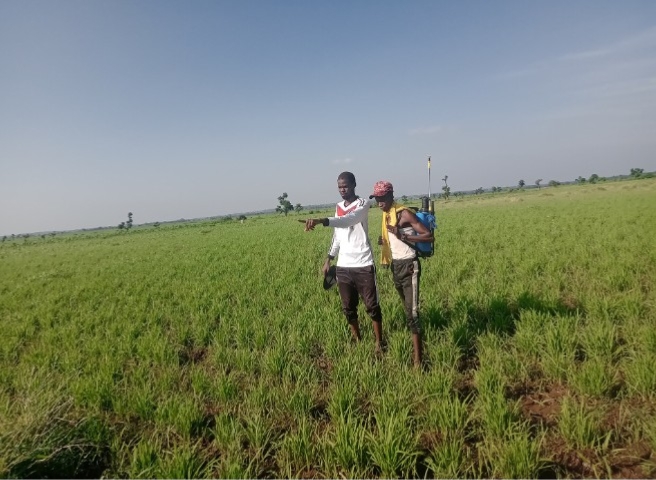
Farm layout is therefore one of the areas that may be considered when preparing a complete farm plan.
Principles of Farm Planning
Proper use of resources: Available resources should be used carefully to reduce waste and improve farm performance.
Flexibility: A farm plan should allow reasonable changes when conditions such as weather, prices, labour availability or production costs change.
Simplicity: The plan should be clear enough for the farmer and workers to understand and follow.
Profitability: Expected costs and returns should be considered when selecting farm enterprises and activities.
Sustainability: Farm activities should be planned in a way that protects important resources such as soil and water and supports continued production.
Steps in Farm Planning
Farm planning can be carried out through a series of steps.
Set farm objectives: The farmer first decides what the farm is expected to achieve. The objective may be to produce food, generate income, supply a market or combine several purposes.
Survey available resources: The farmer examines the land, capital, labour, water, equipment, buildings and other resources available.
Select farm enterprises: Suitable crops, livestock or other enterprises are selected based on available resources, climate, market conditions and the farmer’s objectives.
Estimate costs and returns: Expected expenses and possible income are considered before major decisions are made.
Prepare the farm layout: Where necessary, the physical arrangement of fields, buildings, roads, water facilities and other areas is planned.
Prepare a budget: A budget helps the farmer estimate how much money will be required and how available funds will be distributed.
Implement the plan: The farmer puts the plan into action by carrying out the planned activities.
Monitor and evaluate: The farmer checks the progress of the farm and compares actual results with the plan. Changes can be made when necessary.
Advantages of Farm Planning
Efficient use of resources: Planning helps the farmer use land, labour, capital and other resources more effectively.
Better organization: Farm activities can be arranged in a clear order, making farm management easier.
Better timing: The farmer can prepare for activities that need to be carried out at particular times.
Cost control: Planning helps the farmer estimate expenses and reduce unnecessary spending.
Better decision-making: Farmers can compare different choices before committing resources.
Preparation for risks: Possible problems can be considered before they occur, allowing the farmer to prepare possible responses.
Improved supervision: A clear plan makes it easier to check whether farm activities are being carried out as expected.
Better financial management: Expected costs and returns can be compared, helping the farmer understand the financial performance of the farm.
Problems of Farm Planning
Although farm planning is useful, farmers may face difficulties when preparing or implementing a plan.
Lack of capital: Insufficient money may prevent farmers from carrying out planned activities.
Inadequate knowledge: A farmer may have limited information about production methods, costs, markets or available technologies.
Unpredictable weather: Changes in rainfall, temperature, storms or drought can affect the original plan.
Labour shortage: A shortage of suitable workers may delay important farm activities.
Market changes: Prices and demand for agricultural products can change unexpectedly.
Pests and diseases: Crop pests, livestock diseases and other biological problems can cause losses and disrupt production plans.
Government policy changes: Changes in agricultural policies, regulations or other government decisions may affect farm operations.
Conclusion
Farm planning is the process of deciding in advance how farm resources and activities will be organized to achieve specific goals. The major types of farm planning are short-term, long-term, partial and complete farm planning.
Good farm planning helps farmers use resources efficiently, organize activities, control costs and make better decisions. However, planning cannot remove every problem in agriculture because factors such as weather, pests, diseases and market conditions can change. A good farm plan should therefore be practical and flexible enough to allow necessary adjustments.
Revision Questions
- What is farm planning?
- State five objectives of farm planning.
- Explain four reasons why farm planning is important.
- Mention six factors that affect farm planning.
- What is short-term farm planning?
- Differentiate between short-term and long-term farm planning.
- State the difference between partial and complete farm planning.
- Outline eight steps involved in farm planning.
- State five advantages of farm planning.
- Mention five problems that may affect farm planning.
Frequently Asked Questions
1. What is farm planning?
Farm planning is the process of deciding in advance how farm resources and activities will be organized to achieve specific farming goals.
2. What are the four main types of farm planning?
The four common types of farm planning are short-term, long-term, partial and complete farm planning.
3. What is short-term farm planning?
Short-term farm planning covers a relatively short period, such as a production season or about one year.
4. What is long-term farm planning?
Long-term farm planning covers several years and is commonly used for activities such as establishing plantations, orchards, irrigation systems and permanent farm structures.
5. What is partial farm planning?
Partial farm planning focuses on one part or one aspect of an existing farm rather than the entire farm.
6. What is complete farm planning?
Complete farm planning considers the whole farm, including its major enterprises, resources and activities.
7. Why is farm planning important?
Farm planning helps farmers use resources efficiently, control costs, organize activities, make better decisions and prepare for possible risks.
8. What factors affect farm planning?
Important factors include land, capital, labour, climate, soil, water supply, market conditions, government policies and available technology.
9. What is the difference between farm planning and farm layout?
Farm planning involves wider decisions about the management and use of farm resources, while farm layout mainly deals with the physical arrangement of different parts of the farm.
10. Can farm planning prevent all farm losses?
No. Farm planning can help reduce some risks and prepare the farmer for possible problems, but it cannot prevent all losses caused by factors such as extreme weather, pests, diseases or market changes.
Related Articles