About This Lesson
Routine management practices in farm animals are the regular activities carried out by farmers to keep animals healthy, comfortable, productive, and safe. They include feeding, providing clean water, cleaning animal houses, checking the health of animals, controlling parasites, keeping records, and providing suitable housing.
Good animal management requires regular attention because the condition of farm animals can change quickly. Poor feeding, dirty surroundings, overcrowding, lack of water, disease, or poor handling can reduce growth and production. Proper management therefore helps farmers maintain healthy animals and obtain better results from products such as meat, milk and eggs.
Learning Objectives
At the end of this lesson, you should be able to:
- Explain the meaning of routine management practices in farm animals.
- Identify common management practices carried out on livestock and poultry farms.
- Explain the importance of feeding, sanitation, vaccination and deworming.
- Identify tools and materials used in animal management.
- Describe signs of poor management in farm animals.
- Explain how management practices differ among poultry, cattle, sheep, goats and pigs.
Meaning of Routine Management Practices in Farm Animals
Routine management practices are the regular care and activities carried out to maintain the health, growth, welfare and productivity of farm animals.
Some activities are performed every day, such as feeding and providing water. Others may be carried out weekly, periodically, or according to a planned health programme. The exact routine depends on the type and age of the animal, the production system and the conditions on the farm.
Major Routine Management Practices
1. Feeding
Feeding is one of the most important parts of animal management. Farm animals need adequate feed containing the nutrients required for growth, maintenance, reproduction and production.
The type of feed depends on the animal. Poultry may receive starter, grower or layer feed, while cattle, sheep and goats may obtain forage such as grasses and legumes together with other feeds when necessary. Pigs are commonly given balanced rations formulated for their stage of growth.
Feed should be fresh, suitable for the animal and provided in the right quantity. Feeders should also be kept clean to reduce contamination and wastage.
2. Provision of Clean Water
Animals need clean water for drinking, digestion, temperature regulation and other body functions. Water should be available regularly, especially during hot weather and periods of high production.
Drinkers should be cleaned frequently because dirty water can become contaminated with manure, feed particles and microorganisms.
3. Cleaning and Sanitation
Animal houses should be kept clean and reasonably dry. Manure, leftover feed, dirty bedding and other waste should be removed regularly.
Good sanitation reduces unpleasant odours and helps lower the risk of disease. Poultry houses, pig pens, cattle sheds and other animal housing systems may require different cleaning methods depending on their design.
4. Vaccination
Vaccination involves giving animals vaccines to help protect them against specific infectious diseases. Vaccines work by stimulating the animal’s immune system to develop protection against particular diseases.
Vaccination programmes depend on the animal species, age, disease risks and local veterinary recommendations. Farmers should follow the instructions provided by qualified animal health professionals rather than giving vaccines at random.
5. Deworming and Parasite Control
Deworming is the use of appropriate treatment to control internal worms and other parasitic infections where necessary. Heavy parasite infections can interfere with growth, nutrition and general health.
The need for deworming and the choice of treatment should depend on the animal, the parasite problem and veterinary or animal-health advice. External parasites such as ticks, lice and mites may also require appropriate control measures.
6. Health Inspection
Farmers should observe their animals regularly for changes in appetite, movement, body condition, breathing, appearance and behaviour.
Early detection of a problem makes it easier to seek appropriate treatment or veterinary assistance. Sick animals should not simply be ignored because an apparently small problem can sometimes become serious.
7. Isolation of Sick Animals
Animals suspected of having a contagious disease may need to be separated from healthy animals to reduce the risk of disease spread.
The isolated animal should be observed and managed appropriately, and veterinary advice should be sought when necessary. Equipment used for sick animals should also be handled carefully to avoid transferring infection to healthy animals.
8. Proper Housing
Farm animals require housing that protects them from harsh weather and provides enough space for normal movement and resting.
Good animal housing should provide suitable ventilation, drainage, cleanliness, protection from excessive heat or cold, and safe flooring. Overcrowding should be avoided because it can increase stress, injuries and the spread of diseases.
9. Grooming
Grooming involves cleaning and caring for the external parts of an animal. Depending on the species, it may include brushing, cleaning the body and caring for the coat.
Grooming can help remove dirt and loose hair and gives the farmer an opportunity to notice wounds, skin problems or external parasites early.
10. Hoof Care
Animals such as cattle, sheep and goats may require regular inspection and trimming of overgrown hooves when necessary.
Poor hoof condition can make movement difficult and may lead to discomfort or other problems. Hoof trimming should be carried out correctly to avoid injury.
11. Record Keeping
Farm records provide useful information about the animals and the farm. Records may include feeding, vaccination, medication, breeding, births, deaths, growth, egg production, milk production and sales.
Accurate records help the farmer monitor performance and make better management decisions.
12. Breeding Management
Breeding management involves activities that help farmers plan and control reproduction. It includes selecting suitable breeding animals, identifying females that are ready for mating, keeping breeding records and caring for pregnant animals.
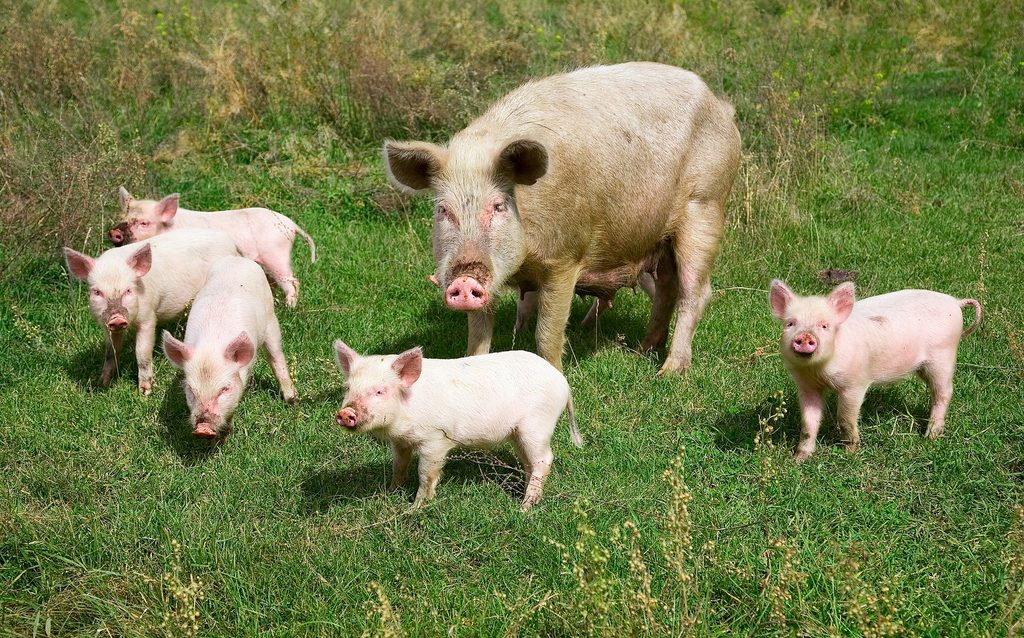
Good breeding management helps farmers maintain desirable characteristics and produce healthy offspring.
Other Important Farm Animal Management Practices
Some management practices are not performed every day, but they are important when required. These include castration, dehorning and beak trimming in poultry where it is permitted and considered appropriate.
Castration involves removing or disabling the reproductive function of male animals. It may be used to control unwanted breeding and, in some production systems, to influence animal behaviour or meat production.
Dehorning or disbudding involves preventing or removing horn growth in animals such as cattle. It may reduce the risk of injuries between animals and make handling safer when carried out using appropriate methods.
Beak trimming, sometimes called debeaking, involves removing a small portion of the beak in certain poultry production systems. Where it is used, it should follow applicable animal-welfare requirements and be carried out using appropriate methods.
These practices should not be treated as ordinary daily activities. They require proper knowledge, suitable equipment and, where necessary, assistance from trained animal-health personnel.
Classification of Animal Management Practices
Routine management practices can be grouped according to their main purpose.
| Management Area | Examples |
|---|---|
| Health management | Vaccination, parasite control, health checks and treatment |
| Nutritional management | Feeding and provision of clean water |
| Environmental management | Cleaning, waste disposal, ventilation and housing |
| Breeding management | Selection of breeding animals, mating and pregnancy care |
| Record management | Recording feeding, health, breeding and production information |
| Animal care | Grooming, hoof care and safe handling |
Routine Management Practices for Different Farm Animals
Different farm animals require different forms of care because their feeding habits, housing requirements and production purposes are not the same.
Poultry
Poultry birds require regular feeding, clean drinking water, proper housing, sanitation and disease prevention. Feeders and drinkers should be kept clean, and young chicks require suitable temperature and protection during their early growth.
Vaccination should follow an appropriate programme for the birds and the diseases common in the area. Good ventilation is also important because poor air quality can affect the health of birds.
Cattle
Cattle require adequate pasture or other suitable feed, clean water, appropriate housing and regular health checks. They may also require vaccination, parasite control and hoof care.
Dairy cattle need additional attention because feeding, water supply, hygiene and milking practices can affect milk production. Milking equipment and the udder area should be kept clean to reduce contamination.
Sheep and Goats
Sheep and goats need suitable forage or other feed, clean water, adequate shelter and regular health checks. Farmers should monitor them for parasites, poor body condition, wounds and hoof problems.
Their housing should protect them from excessive rain and other harsh weather while allowing adequate ventilation.
Pigs
Pigs require balanced feeding, clean water and properly managed housing. Their pens should be cleaned regularly and designed to provide adequate drainage.
Farmers should also monitor pigs for signs of disease, injuries, poor appetite and abnormal behaviour. Proper waste management is particularly important in pig production because large amounts of manure can accumulate.
Tools and Materials Used in Routine Animal Management
| Tool or Material | Main Use |
|---|---|
| Feeders | Holding and providing feed to animals |
| Drinkers | Providing clean drinking water |
| Broom | Sweeping animal houses and removing loose dirt |
| Shovel | Removing manure, waste and dirty bedding |
| Wheelbarrow | Moving feed, manure, bedding and other materials |
| Brush or comb | Grooming animals and removing dirt or loose hair |
| Hoof trimmer | Trimming overgrown hooves when necessary |
| Syringe and needle | Administering vaccines or medicines by trained personnel |
| Disinfectant | Cleaning suitable surfaces and equipment |
| Rope or halter | Restraining or controlling animals safely |
| Weighing scale | Measuring animal weight and monitoring growth |
| Bedding material | Providing a cleaner and more comfortable resting surface |
| Protective clothing | Protecting the farmer during cleaning and animal-care activities |
Signs of Poor Management in Farm Animals
Poor management can affect the health, behaviour, growth and productivity of animals. Some common signs include:
1. Loss of Weight
Animals may lose weight when they are not receiving enough suitable feed or when they have health problems.
2. Poor Growth
Slow growth in young animals may result from inadequate nutrition, disease, parasites, overcrowding or unsuitable housing.
3. Dirty Animals or Housing
Animals with dirty bodies and housing covered with manure or waste may be exposed to poor sanitation and a greater risk of health problems.
4. Reduced Production
Poor management can reduce the production of milk, eggs, meat and other animal products. Poor nutrition, disease, stress and lack of water can all affect production.
5. Loss of Appetite
A noticeable reduction in feeding may indicate illness, stress, poor-quality feed, dirty feeding equipment or another management problem.
6. Weakness or Unusual Inactivity
Animals that are unusually weak, inactive or unwilling to move may require closer examination.
7. Frequent Disease Problems
Repeated disease outbreaks may be associated with poor sanitation, overcrowding, inadequate vaccination programmes, contaminated feed or water, or other management problems.
8. Injuries
Frequent wounds, damaged hooves or other injuries may result from unsafe housing, sharp objects, overcrowding or poor handling.
9. Abnormal Behaviour
Unusual aggression, excessive restlessness, withdrawal or other changes in normal behaviour may indicate stress, discomfort or illness.
10. High Death Rate
A high number of deaths among farm animals is a serious warning sign and requires immediate investigation to identify and correct the underlying problem.
Importance of Routine Management Practices
Routine management practices are important because they help farmers maintain healthy and productive animals.
They:
- help prevent and control diseases;
- support normal growth and development;
- improve animal productivity;
- reduce unnecessary deaths;
- improve the quality of meat, milk and eggs;
- help detect health problems early;
- improve animal comfort and welfare;
- reduce feed and other resource wastage;
- make farm records and planning easier; and
- can increase the profitability of animal production.
Common Problems Farmers May Face
Farmers may experience difficulties when carrying out routine animal management. Common challenges include:
- high cost of feed and animal-health products;
- inadequate knowledge of proper animal management;
- shortage of labour;
- poor housing facilities;
- disease outbreaks;
- limited access to veterinary or animal-health services;
- inadequate water supply; and
- poor record keeping.
Proper planning, farmer education, good hygiene and access to reliable animal-health advice can help reduce many of these problems.
Summary
Routine management practices in farm animals are the regular activities used to maintain animal health, growth, comfort and productivity. Important practices include proper feeding, provision of clean water, sanitation, vaccination, parasite control, health inspection, proper housing, grooming, hoof care, breeding management and record keeping.
Different animals have different management requirements, so farmers must provide care according to the species, age and production purpose of the animals. Good routine management helps prevent avoidable problems, improves production and supports successful animal farming.
Revision Questions
- What are routine management practices in farm animals?
- Mention six important routine management practices carried out on farm animals.
- Explain four reasons why proper feeding and clean water are important in animal production.
- State five signs that may indicate poor management of farm animals.
- Mention five tools used in the routine management of farm animals.
Frequently Asked Questions
1. What is routine management in farm animals?
Routine management is the regular care given to farm animals to maintain their health, growth, comfort and productivity.
2. Why is sanitation important in animal production?
Good sanitation helps keep animal houses clean and reduces conditions that can encourage the spread of diseases.
3. What is the purpose of vaccination in farm animals?
Vaccination helps animals develop protection against specific infectious diseases.
4. Why should farmers keep records?
Records help farmers monitor feeding, health, breeding and production and make better management decisions.
5. Are dehorning and castration daily routine practices?
No. They are special management procedures carried out when necessary and require appropriate knowledge and handling.
Related Articles