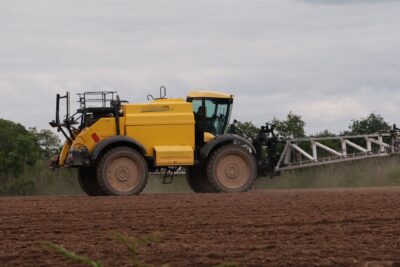
Farming is expected to provide food and raw materials, but some farming activities produce waste and chemicals that dirty the environment. When these wastes enter the air, soil and water in large amounts and start to harm humans, crops, animals and even farm buildings, it becomes a serious problem. This problem is what we call agricultural pollution. It is one of the major challenges facing modern agriculture in Nigeria and around the world.
Performance Objectives on Agricultural Pollution
At the end of this lesson, students should be able to:
- State the meaning of agricultural pollution.
- Identify pollutants and sources of agricultural land and pond pollution.
- Discuss the effects of pollution on farmers and farming activities.
- Explain how pollution of land and ponds can be minimized.
Meaning of Agricultural Pollution
Agricultural pollution is the release of harmful substances into the environment through human activities, animals, or natural processes to a level that causes damage to humans, animals, plants, and other natural resources.
In other words, agricultural pollution occurs when harmful substances are released into the air, water, or land in quantities that negatively affect living organisms and the environment.
The harmful substances that cause pollution are called pollutants.
Sources or Causes of Agricultural Pollution
The major sources or types of pollution that affect agricultural land, ponds, and the farm environment include:
- Air pollution
- Noise pollution
- Land pollution
- Water pollution
Air Pollution
Air pollution occurs when harmful gases, dust, and other substances enter the atmosphere and affect the health of humans, animals, and plants.
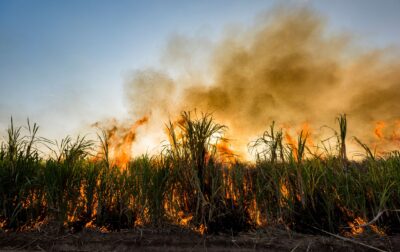
The major air pollutants, their sources, effects, and control measures are discussed below.
1. Ammonia Gas
Sources: Ammonia gas can be released during the decomposition of animal droppings from poultry birds, pigs, goats, sheep, and cattle. These droppings may produce unpleasant odours in the farm environment.
Effects:
- It can irritate the eyes and lungs.
- It can cause coughing and other respiratory problems in humans and animals.
- It can make the farm environment unpleasant for workers and nearby residents.
Control Measures:
- Animal droppings should be removed regularly from livestock houses and the farm environment.
- Livestock waste should be properly managed to reduce unpleasant odours.
- Livestock farms should be located at a suitable distance from residential areas.
2. Dust Particles
Source: Dust particles are commonly produced by feed mills during the grinding and processing of animal feed.
Effects:
- Dust can cause discomfort and affect the lungs.
- It can irritate the respiratory system.
- Continuous exposure to dust may contribute to respiratory problems such as coughing.
Control Measures:
- Feed mill workers should wear suitable protective equipment, such as dust masks.
- Feed mills should have adequate ventilation and effective dust-control systems.
- Feed-processing equipment should be maintained properly to reduce unnecessary dust emissions.
Noise Pollution
Noise pollution occurs when excessive or unwanted sound interferes with normal activities and affects the health or comfort of humans and animals.
Sources of Noise Pollution
The major sources of noise pollution in the farm environment include:
- Feed mills: Noise is produced when machines grind and process animal feed.
- Poultry farms: The sounds made by large numbers of birds can contribute to noise in and around poultry farms.
Effects of Noise Pollution
- Excessive noise from machinery can damage hearing and may lead to hearing loss.
- Noise can cause emotional stress and anxiety.
- It can reduce concentration and make it difficult for workers to perform their duties effectively.
- Prolonged exposure to excessive noise may contribute to high blood pressure.
- Noise can affect the behaviour of humans and animals.
Control Measures for Noise Pollution
- Poultry farms and noisy farm facilities should be located at suitable distances from residential areas.
- Feed mill buildings should be fitted with appropriate soundproofing materials.
- Workers should use suitable hearing protection when operating noisy machinery.
- Farm machinery should be maintained regularly to reduce unnecessary noise.
Land Pollution
Land pollution occurs when harmful substances, waste materials, and chemicals contaminate the soil or land surface. It can reduce soil quality, affect crop growth, and create an unhealthy farm environment.
The major land pollutants, their sources, and effects are shown below.
| Land Pollutants | Sources | Effects |
|---|---|---|
| Refuse | Farm offices and farm sites | Produces unpleasant odours when it decays and may attract pests or create unhealthy conditions. |
| Sewage | Farm offices and other farm facilities | Produces unpleasant odours and may contain disease-causing organisms. |
| Pesticides and fertilizers | Chemicals applied to crops and soil | Some pesticides can harm beneficial soil organisms. Excessive fertilizer application may cause soil acidity, nutrient imbalance, or crop damage. |
Control Measures for Land Pollution
- Refuse should be collected and disposed of properly. Suitable waste-treatment methods should be used instead of uncontrolled burning.
- Sewage should be properly treated before disposal.
- Governments should enforce laws against the improper disposal of harmful and toxic waste.
- Pesticides and fertilizers should be applied according to recommended instructions.
- Farm waste should be managed properly to prevent soil contamination.
Water Pollution
Water pollution occurs when harmful substances enter rivers, streams, ponds, lakes, and other water bodies, making the water unsafe for humans, animals, and aquatic organisms.
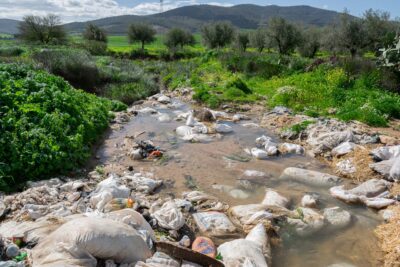
The major water pollutants, their sources, and effects are discussed below.
1. Pesticides and Fertilizers
Sources: Pesticides and fertilizers can be washed from farmland into rivers, streams, and ponds by rainfall and soil erosion.
Effects:
- They may make water unsafe for human consumption.
- Excess nutrients from fertilizers can cause rapid growth of algae and other aquatic plants.
- Excessive growth of aquatic plants can interfere with fishing, navigation, and other water activities.
- Some pesticides and excessive nutrient pollution can harm or kill fish and other aquatic organisms.
2. Faeces from Farm Animals
Sources: Animal faeces may enter water bodies when livestock waste is washed away by rain or when animal waste is disposed of improperly.
Effects:
- It can produce unpleasant odours.
- It may introduce disease-causing organisms into the water.
- It can contaminate water used by humans and farm animals.
- Decomposition of organic waste can reduce dissolved oxygen in water and harm aquatic organisms.
3. Crude Oil (Oil Spillage)
Sources: Oil spills can occur during oil drilling, transportation, and the loading or unloading of oil tankers.
Effects:
- Oil spills can damage aquatic plants and animals.
- They can make water unsuitable for human and animal consumption.
- They can disrupt food chains by harming organisms at different levels of the aquatic ecosystem.
- They may force aquatic animals to move away from affected areas.
Control Measures for Water Pollution
- Pesticides and fertilizers should be used according to recommended instructions to reduce runoff into water bodies.
- Animal droppings and other farm waste should be collected and disposed of properly.
- Effective measures should be used to prevent and control oil spills.
- Governments and local authorities should monitor farm waste disposal and enforce environmental regulations.
- Vegetation should be maintained around water bodies where possible to help reduce the movement of soil and pollutants from farmland into the water.
Revision Questions
- (a) What is agricultural pollution?
(b) Name two pollutants each of air and water.
(c) State two effects of water pollution on farm animals. - (a) Mention three ways of preventing water pollution on farms.
(b) Name two sources of noise pollution.
(c) State two effects of noise pollution on humans. - (a) Define agricultural pollution.
(b) State four sources of land pollution.
(c) Explain the effects of land pollution on farming activities. - (a) What is water pollution?
(b) State two pollutants of water.
(c) Describe the effects of each of the pollutants named on aquatic organisms.