About This Lesson
This lesson explains potassium fertilizers, their types, uses, advantages and disadvantages in a simple way that students and other readers can understand. Potassium is one of the three primary nutrients needed by plants, alongside nitrogen and phosphorus. It supports important processes such as water regulation, photosynthesis, movement of sugars within the plant, and the development of fruits, seeds and other plant parts.
By studying this lesson, you will learn how different potassium fertilizers provide potassium and, in some cases, other nutrients such as nitrogen, phosphorus, magnesium or sulphur. You will also learn how to recognize common signs of potassium deficiency and why fertilizers should be selected and applied according to the needs of the crop and the condition of the soil.
Learning Objectives
At the end of this lesson, you should be able to:
- explain the meaning of potassium fertilizers;
- identify common types of potassium fertilizers;
- state the major uses of potassium in plants;
- explain the advantages and disadvantages of potassium fertilizers;
- identify common signs of potassium deficiency; and
- state factors to consider before applying potassium fertilizer.
What Are Potassium Fertilizers?
Potassium fertilizers are fertilizers used to supply potassium to plants. Potassium has the chemical symbol K and is one of the three primary macronutrients required by plants for healthy growth and development.
Potassium performs several important functions in plants. It helps regulate water balance, supports the opening and closing of stomata, activates enzymes involved in plant processes and assists the movement of sugars and other substances within the plant. It also contributes to normal crop development and helps plants manage certain environmental stresses.
Potassium fertilizers are especially useful when the soil does not contain enough available potassium for the crop. However, they should not be applied simply because a plant is growing poorly, since poor growth can have several different causes.
It is also important to understand the difference between potassium and potassium fertilizer. Potassium is the nutrient required by plants, while potassium fertilizer is a material used to supply that nutrient.
Why Do Plants Need Potassium?
Potassium is needed for several important functions in plants.
One major function is water regulation. Potassium helps regulate water balance in plant cells and plays an important role in the functioning of stomata. Stomata are tiny openings, mainly found on leaves, that regulate gas exchange and water loss.
Potassium also supports photosynthesis and enzyme activity. It does not serve as the main raw material for photosynthesis, but it helps regulate processes that allow the plant to carry out normal physiological activities.
Another important function is the movement of sugars and other substances within the plant. Products made during photosynthesis in the leaves need to reach growing tissues, fruits, seeds, roots or storage organs where they can be used or stored.
Adequate potassium also contributes to normal plant development and stress management. This does not mean potassium can prevent drought or other environmental problems, but good potassium nutrition helps plants maintain important physiological processes under certain stressful conditions.
Types of Potassium Fertilizers
There are several potassium-containing fertilizers used in agriculture. They differ in their chemical composition and in the other nutrients they provide.
| Type | Chemical Name | Other Nutrient |
|---|---|---|
| Muriate of Potash | Potassium chloride | Chloride |
| Sulphate of Potash | Potassium sulphate | Sulphur |
| Potassium Nitrate | Potassium nitrate | Nitrogen |
| Potassium Magnesium Sulphate | Potassium-magnesium sulphate | Magnesium and sulphur |
| Potassium Phosphate | Potassium phosphate | Phosphorus |
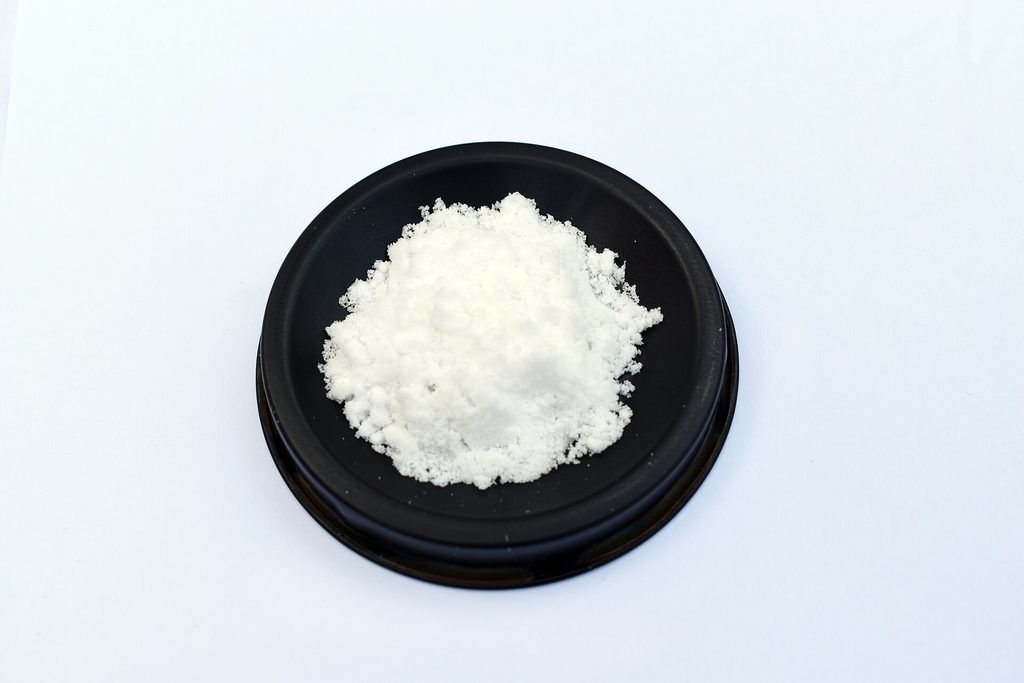
Muriate of Potash
Muriate of Potash, commonly known as potassium chloride (KCl), is an important source of potassium for crop production. It supplies potassium together with chloride.
It is widely used because it provides a concentrated source of potassium. However, some crops are more sensitive to chloride than others, so the suitability of this fertilizer should be considered before application.
Sulphate of Potash
Sulphate of Potash, also called potassium sulphate (K₂SO₄), supplies potassium and sulphur.
It can be useful where both potassium and sulphur are required. It is also considered where adding chloride is undesirable.
Potassium Nitrate
Potassium nitrate (KNO₃) supplies both potassium and nitrogen.
This makes it useful when a crop requires these two nutrients. However, it should still be applied according to the actual nutrient needs of the crop.
Potassium Magnesium Sulphate
Potassium magnesium sulphate contains potassium, magnesium and sulphur.
Because it supplies several nutrients, it can be useful where more than one of these nutrients is required. Its use should be based on the nutrient needs of the crop and soil.
Potassium Phosphate
Potassium phosphate fertilizers contain potassium and phosphorus.
They can therefore supply two important plant nutrients at the same time. Different potassium phosphate products can have different compositions, so the fertilizer label should be checked before application.
Uses of Potassium Fertilizers
The main purpose of potassium fertilizers is to supply potassium when crops require additional potassium.
Regulation of Water
Potassium helps plants regulate water balance. It is involved in stomatal function, which affects water loss and gas exchange.
Good water regulation helps plants maintain normal physiological activities, especially when water availability changes.
Support for Photosynthesis
Potassium supports processes involved in photosynthesis by helping regulate enzyme activity and other plant functions.
Severe potassium deficiency can interfere with normal plant growth and the production and movement of carbohydrates.
Movement of Sugars
Potassium contributes to the movement of sugars and other products of photosynthesis from leaves to other parts of the plant.
These substances may be transported to growing tissues, fruits, seeds, roots or storage organs.
Development of Fruits and Seeds
Adequate potassium is important during the reproductive stages of many crops. It supports the movement of carbohydrates and other products toward developing plant parts.
This makes potassium important for crops grown for fruits, seeds, tubers and other storage organs.
Support for Plant Growth
Potassium contributes to normal plant development and helps maintain several processes required for healthy growth.
When potassium is deficient, plants may show poor or abnormal growth, especially when the deficiency becomes severe.
Support During Environmental Stress
Adequate potassium nutrition can help plants regulate water and maintain important physiological functions during certain environmental stresses.
However, potassium is not a cure for drought or other environmental problems. It is one part of balanced crop nutrition.
Advantages of Potassium Fertilizers
When potassium is lacking, appropriate potassium fertilizer application can provide several benefits.
1. Corrects potassium deficiency: It supplies potassium when the soil does not provide enough available potassium for the crop.
2. Supports healthy plant development: Adequate potassium helps plants carry out important physiological processes involved in normal growth.
3. Supports crop quality: Proper potassium nutrition can contribute to the development and quality of fruits, seeds, tubers and other harvested plant products.
4. Helps regulate water: Potassium plays an important role in water balance and stomatal regulation.
5. Can supply additional nutrients: Some potassium fertilizers also provide nitrogen, phosphorus, magnesium or sulphur.
Disadvantages of Potassium Fertilizers
Although potassium fertilizers can be beneficial, inappropriate use can create problems.
High cost: Some potassium fertilizers can be expensive, particularly when transportation and application costs are considered.
Excessive application: Applying too much potassium can contribute to nutrient imbalance and may interfere with the uptake of other nutrients, including magnesium under some conditions.
Chloride concerns: Potassium chloride contains chloride, and some crops are more sensitive to chloride than others.
Incorrect application: Using the wrong rate, timing or method can reduce fertilizer effectiveness and increase unnecessary costs.
Does not replace other nutrients: Potassium is only one of the nutrients plants need. Crops also require nitrogen, phosphorus and several other nutrients.
Signs of Potassium Deficiency
When a plant does not receive enough available potassium, several symptoms may appear.
Common signs include:
- yellowing or discoloration of older leaves;
- browning or scorching around leaf edges;
- poor or slow growth;
- weak stems in some crops; and
- reduced development or quality of fruits and other harvested parts.
Potassium is relatively mobile within plants. When potassium is insufficient, some of the available potassium can move from older tissues toward younger, actively growing tissues. This is why deficiency symptoms often appear first on older leaves.
However, yellowing or browning does not automatically prove potassium deficiency. Similar symptoms can result from other nutrient deficiencies, diseases, water problems or environmental stress.
Factors to Consider Before Applying Potassium Fertilizer
Crop requirement: Different crops have different potassium requirements.
Soil condition: Soil testing, where available, can help determine whether additional potassium is needed.
Existing nutrients: Consider the nutrients already present in the soil and those supplied by other fertilizers.
Type of fertilizer: Check which other nutrients the fertilizer contains in addition to potassium.
Crop sensitivity: Some crops are more sensitive to chloride than others.
Application rate: Follow the recommended rate rather than assuming that more fertilizer will produce better results.
Timing and method: Applying fertilizer at an appropriate time and by a suitable method helps the crop make effective use of the nutrients.
Common Mistakes Students Should Avoid
One common mistake is saying that all potassium fertilizers are the same. They are not. Different potassium fertilizers contain different combinations of nutrients.
Another mistake is assuming that potassium fertilizer automatically increases the yield of every crop. Fertilizer is most useful when it supplies a nutrient that the crop actually needs.
Students should also avoid assuming that every yellow or brown leaf is a sign of potassium deficiency. Several different problems can produce similar symptoms.
Finally, remember that potassium is only one of the nutrients required for healthy crop production.
Summary On Potassium Fertilizers
Potassium fertilizers are materials used to supply crops with potassium, one of the three primary plant nutrients. Potassium plays important roles in water regulation, stomatal function, enzyme activity, photosynthesis, movement of sugars and crop development.
Common potassium fertilizers include Muriate of Potash, Sulphate of Potash, potassium nitrate, potassium magnesium sulphate and potassium phosphate. These fertilizers differ because some also provide nutrients such as nitrogen, phosphorus, magnesium or sulphur.
Potassium fertilizers can help correct potassium deficiency and support normal crop development when applied appropriately. However, excessive or inappropriate application can cause nutrient imbalance and unnecessary expense. The type and amount of fertilizer should therefore be selected according to the needs of the crop and the condition of the soil.
Revision Questions
- What are potassium fertilizers?
- Mention five types of potassium fertilizers.
- State five uses of potassium in plants.
- Mention five signs of potassium deficiency.
- State five disadvantages of improper potassium fertilizer application.
Frequently Asked Questions – Potassium Fertilizers
What are potassium fertilizers?
Potassium fertilizers are fertilizers used to supply plants with potassium, an essential nutrient required for normal growth and development.
Why is potassium important to plants?
Potassium helps regulate water, supports stomatal function and enzyme activity, assists the movement of sugars and contributes to normal plant development.
What are the common types of potassium fertilizers?
Common types include Muriate of Potash, Sulphate of Potash, potassium nitrate, potassium magnesium sulphate and potassium phosphate.
Can too much potassium fertilizer harm plants?
Yes. Excessive potassium can contribute to nutrient imbalance and may interfere with the uptake of some other nutrients.
Does potassium fertilizer replace nitrogen and phosphorus?
No. Potassium is one of the major nutrients required by plants, but crops also need nitrogen, phosphorus and other nutrients for healthy growth.