Cereal crops are grasses that are mainly grown for their edible grains. They are among the most important food crops in the world and provide a major source of carbohydrates and energy for people and animals. Common cereal crops include maize, rice, wheat, sorghum, millet, barley, oats and rye.
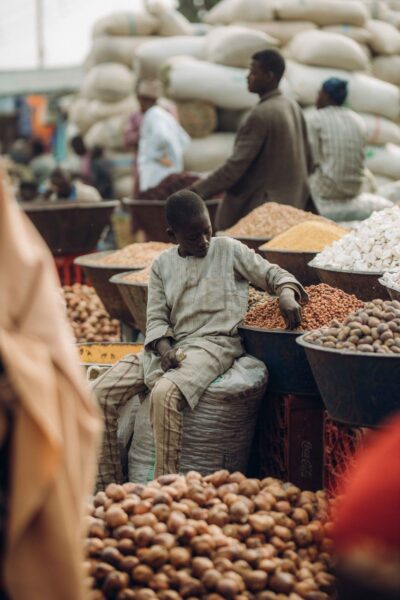
Cereals are grown for human food, animal feed, flour production, industrial processing and income generation. They are also important in agriculture because many can be produced on a large scale, transported easily and stored for future use when properly dried and protected.
About This Lesson
This lesson explains cereal crops, their common examples, classification, uses and importance. It also looks at the conditions needed for good cereal production, problems farmers may face, and the difference between cereal crops and legume crops.
Learning Objectives
By the end of this lesson, you should be able to:
- Define cereal crops.
- List common examples of cereal crops.
- Explain the different types of cereal crops.
- State the uses and importance of cereal crops.
- Describe conditions needed for good cereal production.
- Identify some problems affecting cereal production.
- Distinguish between cereal crops and legume crops.
Definition of Cereal Crops
Cereal crops are grass plants cultivated mainly for the grains they produce. These grains are commonly used as food for people, animal feed and raw materials for some products.
Major Examples of Cereal Crops
Grain crops belong mainly to the grass family and share some common features, but they differ in their climate requirements, growing conditions and uses.
1. Maize
Maize, also known as corn, is one of the most widely grown cereal crops. It grows well in warm areas with suitable rainfall and is cultivated in many parts of the world.
Maize grains may be eaten fresh or dried and can be processed into flour and other food products. The grains are also widely used in livestock and poultry feed. Maize has many other uses in food processing and related industries.
2. Rice
Rice is one of the major cereal crops grown for human consumption. It grows particularly well where there is sufficient water, although some varieties can be cultivated under less-watered conditions.
Rice grains are processed before they are commonly eaten and are used in many meals around the world. Rice is an important source of energy and is a major staple food in many countries.
3. Wheat
Wheat is an important cereal crop grown mainly in cooler and temperate regions. It is one of the most important sources of flour used in food production.
Wheat flour is used to make bread, biscuits, pasta, cakes and many other products. Wheat is also used as animal feed and as a raw material in some food-processing industries.
4. Sorghum
Sorghum is a cereal crop that can perform well in relatively hot and dry areas. Its ability to tolerate limited moisture makes it useful in regions where some other cereals may not grow as successfully.
Sorghum is used as human food, animal feed and a raw material for some processed products. It is particularly important in areas where dry conditions are common.
5. Millet
Millet refers to several small-grained cereal crops. Many millet varieties can grow under relatively dry conditions and on soils where some other crops may perform poorly.
Millet grains are used to prepare porridge, flour and other traditional foods. They can also be used as animal feed.
6. Barley
Barley is a cereal crop commonly grown in cooler regions. It is used for animal feed and in the production of some food and industrial products.
Barley grains can be processed into flour and other products. It is also an important crop in areas where cool growing conditions are suitable.
7. Oats
Oats are cereal crops that generally grow well in cooler climates. They are mainly used as food and animal feed.
Oat grains can be processed into products such as oat flakes and flour. Oats are also used in a variety of food products.
8. Rye
Rye is a cereal crop that grows well under cool conditions. It is used for human food, animal feed and other agricultural purposes.
Rye is an important cereal crop globally but not commonly cultivated in tropical Africa including Nigeria due to its requirement for cold climate
Types and Classification of Cereal Crops
Cereal crops can be grouped in different ways based on their climate requirements, growing season and characteristics.
1. Major Cereals
These are cereals that are widely cultivated and provide large amounts of food and animal feed. Examples include maize, rice and wheat.
2. Small-Grain Cereals
These are cereals that generally produce relatively small grains. Examples include millet, oats, barley and rye.
3. Tropical Cereals
These cereals generally perform well in warm climates. Examples include maize, sorghum and millet.
4. Temperate Cereals
These cereals are generally better suited to cooler or temperate growing conditions. Examples include wheat, barley, oats and rye.
5. Warm-Season Cereals
These cereals are mainly grown when temperatures are warm. Maize, sorghum and millet are common examples.
6. Cool-Season Cereals
These cereals are better suited to cooler growing conditions. Wheat, barley, oats and rye are common examples.
Quick Look at Cereal Crops
| Cereal crop | Common uses |
|---|---|
| Maize | Food, animal feed, flour |
| Rice | Food, flour, processed products |
| Wheat | Bread, pasta, flour |
| Sorghum | Food, animal feed, processed products |
| Millet | Porridge, food, animal feed |
| Barley | Animal feed, food, industrial uses |
| Oats | Food, animal feed |
| Rye | Food, flour, animal feed |
Uses of Cereal Crops
Cereal crops have many uses in households, farms, food-processing industries and other agricultural activities.
Food for Humans
Cereals form an important part of the diets of many people. Maize, rice, wheat, millet and sorghum can be prepared as meals or processed into different food products.
The grains may be eaten whole, cooked, ground into flour or processed into other products. The particular use depends on the cereal and the food traditions of the area where it is grown.
Animal Feed
Cereal grains and their suitable by-products are widely used to feed livestock and poultry. Maize, sorghum, barley and oats are particularly useful sources of energy in animal diets.
Some crop residues can also be used as livestock feed when they are suitable, properly handled and free from harmful contamination.
Production of Flour
Many cereals can be ground into flour. Wheat flour is widely used for bread and other baked products, while maize, millet, sorghum and rice can also be processed into different types of flour.
Industrial Uses
Cereal grains are used as raw materials in some food-processing and other industries. Depending on the crop and processing method, cereals can be used to produce starch, beverages and other products.
Income Generation
Cereal farming provides income for farmers through the sale of grains and processed products. Other people also earn income from activities such as transportation, storage, processing and marketing.
Importance of Cereal Crops
1. Source of Energy
Cereal grains are generally rich in carbohydrates, which provide energy for the body. This makes them important components of diets in many parts of the world.
2. Food Security
Cereals can be produced in large quantities, and many can be stored for considerable periods when they are properly dried and stored. This helps provide food beyond the harvesting season.
3. Employment
Cereal production creates employment in activities such as land preparation, planting, weeding, harvesting, transportation, processing and marketing.
4. Animal Production
Cereals provide important feed materials for livestock and poultry. Their grains can supply energy needed for growth, maintenance and production.
5. Raw Materials
Cereal grains serve as raw materials for food-processing industries and other businesses. Processing can increase the value of cereals beyond their direct use as food.
6. Support for Farmers
Cereal crops provide farmers with opportunities to earn income through both small-scale farming and large-scale production. Farmers can sell grains directly or through traders and processors.
7. Contribution to the Economy
The production, processing, transportation and marketing of cereals support many businesses. In countries where cereal production is extensive, these activities can make an important contribution to the agricultural economy.
Cereal Crops and Farming Systems
Cereal crops can be grown alone or together with other crops. In some farming systems, cereals are rotated with legumes such as beans, cowpea and soybean.
Crop rotation can help farmers manage soil fertility and reduce some production problems. Growing different crops can also provide farmers with more than one source of food and income.
Conditions Needed for Good Cereal Production
Although each cereal has its own requirements, successful production generally depends on several important conditions.
- Suitable soil
- Adequate moisture
- Good-quality seeds
- Proper planting time
- Enough sunlight
- Effective weed control
- Pest and disease management
- Proper harvesting
- Good storage conditions
Farmers should select cereal crops and varieties that are suitable for their local climate, soil and available water. Good farm management from planting to storage can help reduce losses and improve production.
Problems Affecting Cereal Production
Cereal farmers may face several challenges during production. Common problems include pests, diseases, weeds, drought, flooding, poor soil fertility and unsuitable planting conditions.
Poor storage can also result in significant losses after harvesting. Proper drying, suitable storage facilities and protection against storage pests can help reduce post-harvest losses.
Cereal Crops vs Legume Crops
Cereal crops are mainly grasses that produce grains, while legumes include plants such as beans, cowpea and soybean that produce seeds in pods.
Cereals are generally important sources of carbohydrates and energy, while legumes are often valued for their protein content. Both groups are important in agriculture and can be grown together or included in crop rotation systems.
Summary
Cereal crops are important grain-producing crops that include maize, rice, wheat, sorghum, millet, barley, oats and rye. They are grown for human food, animal feed, flour, industrial processing and income generation.
Their importance goes beyond providing food. Cereal production supports livestock farming, food-processing industries, employment, trade and the livelihoods of many farmers. Proper crop selection, good farm management, timely harvesting and suitable storage can help farmers reduce losses and obtain better results.
Revision Questions
- What are cereal crops?
- List six examples of cereal crops.
- State four uses of cereal crops.
- Why are cereals important sources of energy?
- Mention three cereals commonly used as animal feed.
- State five conditions needed for good cereal production.
- What is the importance of cereal crops to farmers?
- Give two differences between cereals and legumes.
Frequently Asked Questions
What are cereal crops?
Cereal crops are mainly grasses grown for their edible grains. Examples include maize, rice, wheat, sorghum, millet, barley, oats and rye.
What are five examples of cereal crops?
Five common examples are maize, rice, wheat, sorghum and millet.
Which cereal is mainly used to make bread?
Wheat is the main cereal used to produce the flour commonly used for bread.
Why are cereal crops important?
Grain crops provide food, animal feed, raw materials, income and employment. They are also important for food security and agricultural development.
Can cereal crops be used as animal feed?
Yes. Grains and some suitable by-products of maize, sorghum, barley, oats and other cereals can be used as animal feed.
Related Articles