Root and tuber crops are important food crops grown in many parts of the world. They are mainly cultivated for the underground parts of the plant, which store food in the form of carbohydrates and other nutrients. These underground portions can be eaten directly, processed into different food products or used as raw materials for industries.
Common root and tuber crops include yam, cassava, sweet potato, Irish potato and cocoyam. They are especially important in tropical and subtropical regions because many of them can grow under different soil and weather conditions. In many farming communities, they provide food for households and income for farmers.
The crops differ in the part of the plant where food is stored. Some store food in modified roots, while others store it in modified underground stems. Understanding this difference makes it easier to identify the various crops and understand how they grow.
What Are Root and Tuber Crops?
Root and tuber crops are crops that develop enlarged underground parts where food reserves are stored. These underground structures allow the plants to store energy, which can later be used for growth or reproduction.
Although the terms “root crops” and “tuber crops” are often used together, they are not exactly the same. A root crop stores most of its food reserves in a modified root, while a tuber is usually a swollen underground stem or stem structure.
For example, cassava and sweet potato are commonly classified as root crops because their main storage organs are roots. Irish potato is a tuber because the potato develops from an underground stem and contains buds known as “eyes.” Yam is also an underground storage organ, commonly treated as a tuber in agriculture.
Main Types of Root and Tuber Crops
Root and tuber crops can be grouped according to the underground part that stores food. The major groups include tubers, tuberous roots, storage roots, corms and rhizomes.
Tubers
Tubers are enlarged underground structures that store food, mainly starch. They develop from underground stems or stem parts and may have buds that can produce new shoots.
Irish potato is a common example. The eyes found on a potato are buds that can develop into new plants under suitable conditions.
Tuberous Roots
Tuberous roots are swollen roots that become enlarged because they store food. Unlike true stem tubers, they do not normally have buds or eyes arranged like those found on Irish potato.
Sweet potato is a good example of a crop with tuberous roots. The enlarged roots store food and form the main part that is harvested and eaten.
Storage Roots
Storage roots become enlarged as they accumulate food reserves. They help the plant survive periods when conditions are not favourable and provide stored energy for later growth.
Cassava is an important example. Its enlarged roots contain a large amount of starch and are widely used as food and for processing into different products.
Corms
Corms are short, swollen underground stems that store food. They have a compact structure and can produce new shoots under suitable conditions.
Cocoyam, particularly taro, is commonly associated with corms and corm-like underground structures. The underground part is an important food source in many tropical farming communities.
Rhizomes
Rhizomes are modified underground stems that grow horizontally and store food. They can produce new shoots and roots from different points along their structure.
Some crops grown mainly for underground storage structures have rhizome forms, although rhizomes are less commonly discussed alongside the major food root and tuber crops such as cassava, yam and potato.
Examples of Root and Tuber Crops
There are many root and tuber crops grown for food and other purposes. Some are more common in tropical agriculture, while others are widely cultivated in temperate regions.
| Crop | Underground part | Common uses |
|---|---|---|
| Cassava | Storage root | Garri, flour, starch, animal feed |
| Yam | Tuber | Boiled food, pounded yam, flour |
| Sweet potato | Tuberous root | Boiled food, fried food, flour |
| Irish potato | Tuber | Boiled, fried and processed foods |
| Cocoyam | Corm/cormels | Food, flour and other products |
Cassava
Cassava is one of the most important root crops in tropical agriculture. It produces enlarged storage roots that contain a high amount of starch. The roots can be processed into several food products, including garri, cassava flour, starch and other forms of food.
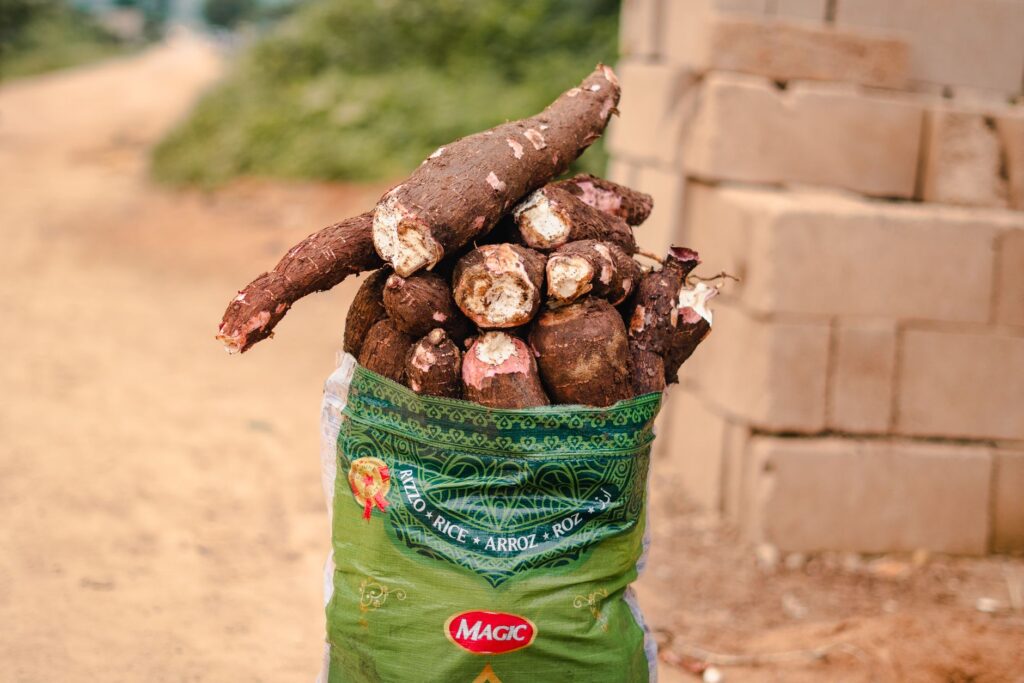
Cassava is valued by farmers because it can tolerate periods of relatively low rainfall better than some crops. It can also remain in the soil for some time after reaching maturity, allowing farmers some flexibility in harvesting.
Yam
Yam is an important tuber crop, especially in West Africa. Different yam varieties are cultivated, and the tubers can become large under good growing conditions.
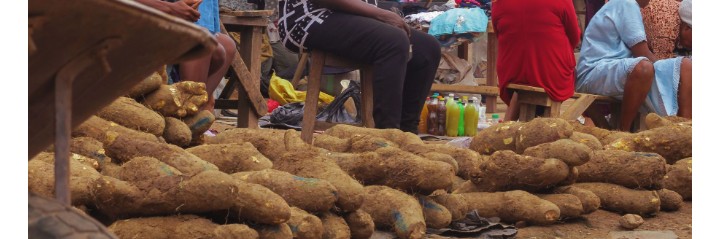
Yam is eaten in several forms. It can be boiled, fried, roasted or pounded. It can also be processed into flour for preparing different meals. Apart from its food value, yam production provides income for farmers and supports trading and processing activities.
Sweet Potato
Sweet potato produces enlarged tuberous roots that store food. The crop comes in different varieties and may have flesh of different colours.
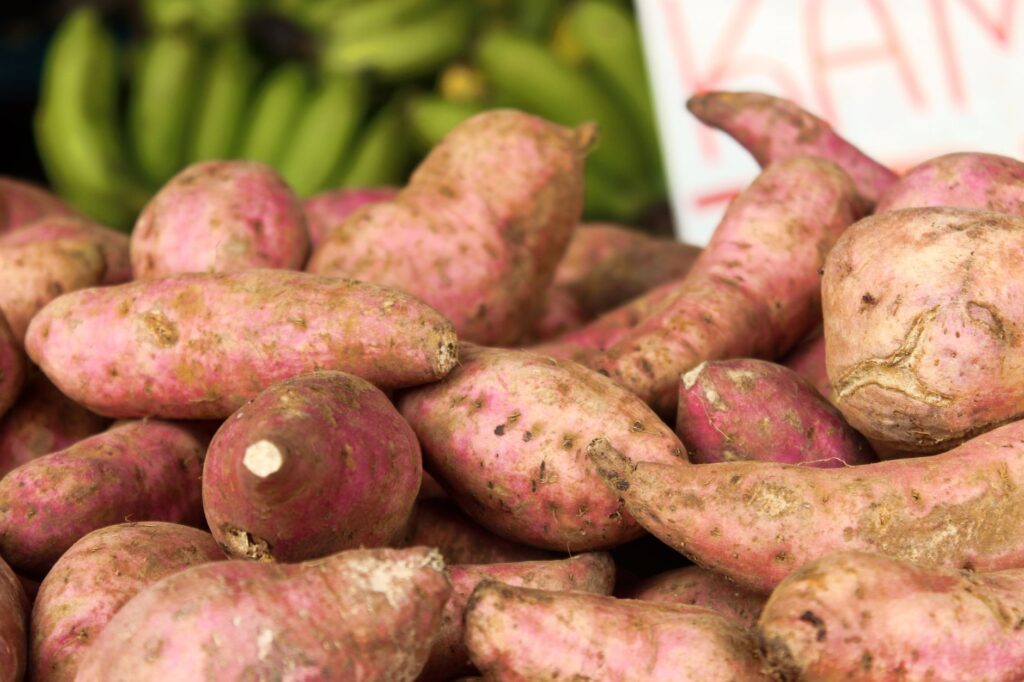
Sweet potato can be boiled, roasted, fried or processed into flour and other food products. The leaves may also be used as vegetables in some areas. Because of its relatively short growing period compared with some other underground crops, it can be useful to farmers who want a crop that matures within a shorter period.
Irish Potato
Irish potato is a major tuber crop grown in many parts of the world. Unlike cassava and sweet potato, the harvested potato is a modified underground stem. The buds or “eyes” on the tuber can develop into new shoots.
Irish potatoes are commonly boiled, fried, roasted or processed into products such as chips and other foods. They are also used in restaurants and food industries, making them an important commercial crop.
Cocoyam
Cocoyam is another important underground food crop grown in tropical areas. It includes crops such as taro, which produces a large underground corm and smaller cormels.
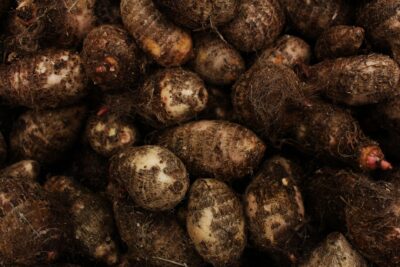
Cocoyam can be boiled, pounded, fried or processed into other food products. Its leaves may also be used as food in some communities when properly prepared. The crop can be valuable to farmers because both the underground parts and, in some varieties, the leaves have uses.
Uses of Root and Tuber Crops
Root and tuber crops have many uses beyond simply being eaten as fresh food. Their high carbohydrate content makes them important sources of energy, while processing allows farmers and food businesses to produce different products from the harvested crops.
Food for Humans
The most important use of root and tuber crops is as food. Crops such as yam, cassava, sweet potato, Irish potato and cocoyam provide carbohydrates that supply energy to the body.
They can be prepared in different ways depending on the crop. Some are boiled, fried, roasted or pounded, while others are processed into flour, starch and other food products.
Processing into Food Products
Many root and tuber crops are processed before they are consumed. Cassava, for example, can be processed into garri, flour and starch. Yam can also be processed into yam flour, while potatoes can be processed into chips and other products.
Processing can make the crops easier to store, transport and use. It can also increase their value and provide opportunities for farmers and processors to earn income.
Animal Feed
Some root and tuber crops and their processing residues can be used as animal feed. Cassava peels and other suitable crop residues may be included in animal feed after proper processing.
The suitability of a particular product depends on the crop, variety and method of processing. Farmers need to use appropriate processing methods before feeding certain materials to animals.
Industrial Uses
Root and tuber crops can serve as raw materials for industries. Cassava starch, for example, can be used in the production of various industrial products.
Starch from crops can have applications in food processing, paper production, textiles and other industries. This makes root and tuber production important not only for farmers but also for businesses involved in processing and manufacturing.
Source of Income
Farmers can earn income from selling fresh roots and tubers or processed products. Traders, transporters, processors and retailers can also benefit from the movement of these crops from farms to consumers.
A well-developed root and tuber value chain can therefore create economic opportunities in farming communities.
Importance of Root and Tuber Crops
Root and tuber crops play an important role in food production and agriculture. Their importance is linked to their food value, ability to provide income and usefulness as raw materials.
Food Security
These crops contribute to food security by providing large quantities of food from relatively small areas of farmland. Crops such as cassava, yam and sweet potato are important staples in many communities.
Their ability to produce underground food reserves also makes them useful in farming systems where farmers need dependable sources of food.
Source of Energy
Many root and tuber crops contain considerable amounts of carbohydrates. Carbohydrates are an important source of energy in the human diet.
When included as part of a balanced diet containing other food groups, these crops can contribute significantly to daily energy needs.
Employment Opportunities
The production and marketing of root and tuber crops involve many activities. Farmers need labour for land preparation, planting, weeding, harvesting and transportation.
After harvest, other people may be involved in processing, packaging, marketing and selling the products. This creates employment and business opportunities.
Support for Rural Economies
Root and tuber crops are often produced by small-scale farmers. Income from their sale can support households and contribute to economic activity in rural communities.
Markets for these crops also support traders and processors who depend on agricultural products for their businesses.
Industrial Development
The processing of root and tuber crops can supply raw materials for different industries. Cassava, in particular, is an important source of starch and other processed materials.
Developing processing industries can reduce waste, increase the value of harvested crops and create additional income opportunities.
How Root and Tuber Crops Are Grown
Although individual crops have different requirements, successful production generally begins with suitable land preparation and healthy planting materials.
The soil should be prepared according to the crop being grown. Some crops perform well on ridges or mounds, while others may be planted on relatively flat land depending on soil and water conditions.
Planting materials must also be healthy. Farmers may use stems, cuttings, tubers, roots or other suitable planting materials depending on the crop. Healthy planting materials help establish strong plants and reduce some production problems.
Weed control is important because weeds compete with crops for water, nutrients, light and space. Farmers may use hand weeding, appropriate farm tools or other suitable weed management methods.
Water, soil fertility and pest management should also be considered throughout production. Proper harvesting at the right maturity stage helps reduce losses and improves the quality of the harvested crop.
Harvesting and Storage
Harvesting methods differ among root and tuber crops. Some crops can be harvested gradually while others are harvested when the crop reaches the desired maturity.
Care is needed during harvesting because cuts and bruises can make underground crops spoil more quickly. Damaged roots and tubers should be separated from healthy ones where necessary.
Storage is another important part of production. Fresh roots and tubers may lose quality when kept under unsuitable conditions. Farmers should therefore use clean, well-ventilated and appropriate storage areas depending on the crop.
Processing can also help reduce losses. For example, converting cassava into products such as garri or flour can increase its storage life compared with keeping the fresh roots for too long.
Problems Affecting Root and Tuber Production
Despite their importance, root and tuber crops face several production and marketing challenges. Pests and diseases can reduce crop growth and lower the quantity and quality of harvested produce.
Poor soil fertility can also affect production, particularly when the same land is cultivated repeatedly without proper soil management. Irregular rainfall, drought and excessive rainfall may create additional problems depending on the crop and location.
Another major challenge is post-harvest loss. Fresh roots and tubers can deteriorate when they are not harvested, transported or stored properly. Poor roads, limited processing facilities and unstable market prices can also make it difficult for farmers to obtain good returns from their produce.
Improved planting materials, good farm management, better storage facilities and access to processing equipment can help reduce some of these challenges.
Difference Between Roots Crops and Tuber Crops
Although root crops and tuber crops are often discussed together, there is an important difference between them.
Root crops mainly store food in enlarged roots. Cassava and sweet potato are common examples.
Tuber crops store food in enlarged underground stem structures. Irish potato is a clear example because the tuber has buds or “eyes” from which new shoots can develop. Yam is also commonly classified as a tuber crop in agricultural discussions.
The difference is mainly based on the plant structure that becomes enlarged and stores food.
Factors to Consider When Choosing Root and Tuber Crops for Production
Farmers need to consider several factors before choosing the type of root or tuber crop to grow. One important factor is the climate and amount of rainfall in the area because different crops perform better under different environmental conditions. The type of soil is also important, especially its fertility, drainage, and ability to support proper root or tuber development. Farmers should choose crops that are suitable for the conditions of their farmland rather than growing a crop simply because it is commonly produced in the area.
The availability and quality of planting materials should also be considered. Healthy stems, tubers, roots, corms, or other suitable planting materials can give crops a better start and reduce the risk of introducing pests and diseases into the farm. Farmers should also consider the maturity period of the crop, the amount of labour required, and the availability of water where necessary.
Market demand is another important factor. A farmer may produce cassava, yam, sweet potato, Irish potato, or cocoyam based on what consumers and processors in the area are willing to buy. Access to storage and processing facilities can also influence the choice because some root and tuber crops can deteriorate quickly after harvest. Therefore, selecting a suitable crop involves considering the farm environment, available resources, production requirements, and market opportunities.
Summary
Root and tuber crops are important crops grown mainly for their enlarged underground parts, which store food reserves. They include crops such as cassava, yam, sweet potato, Irish potato and cocoyam.
The major groups include tubers, tuberous roots, storage roots, corms and rhizomes. These crops are used as human food, animal feed and industrial raw materials. They also provide income and employment opportunities and contribute to food security.
Successful production depends on suitable planting materials, good soil preparation, weed control, proper crop management, careful harvesting and suitable storage. When production and processing are properly managed, root and tuber crops can contribute greatly to agriculture and the economy.
Revision Questions
- What are root and tuber crops?
- Mention five examples of root and tuber crops.
- State five groups of underground storage structures found in root and tuber crops.
- Mention five uses of root and tuber crops.
- State five importance of root and tuber crops.
Frequently Asked Questions
What are root and tuber crops?
Root and tuber crops are crops grown mainly for enlarged underground parts that store food reserves.
What are examples of root and tuber crops?
Examples include cassava, yam, sweet potato, Irish potato and cocoyam.
What is the difference between a root crop and a tuber crop?
A root crop mainly stores food in an enlarged root, while a tuber crop stores food in an enlarged underground stem or similar storage structure.
What are the uses of root and tuber crops?
They are used as human food, animal feed and industrial raw materials. They are also important sources of income for farmers and other people involved in their processing and marketing.
Why are root and tuber crops important in agriculture?
They provide food and energy, support food security, create employment, provide income for farmers and supply raw materials for processing industries.
Related Articles